 Save to Pinterest
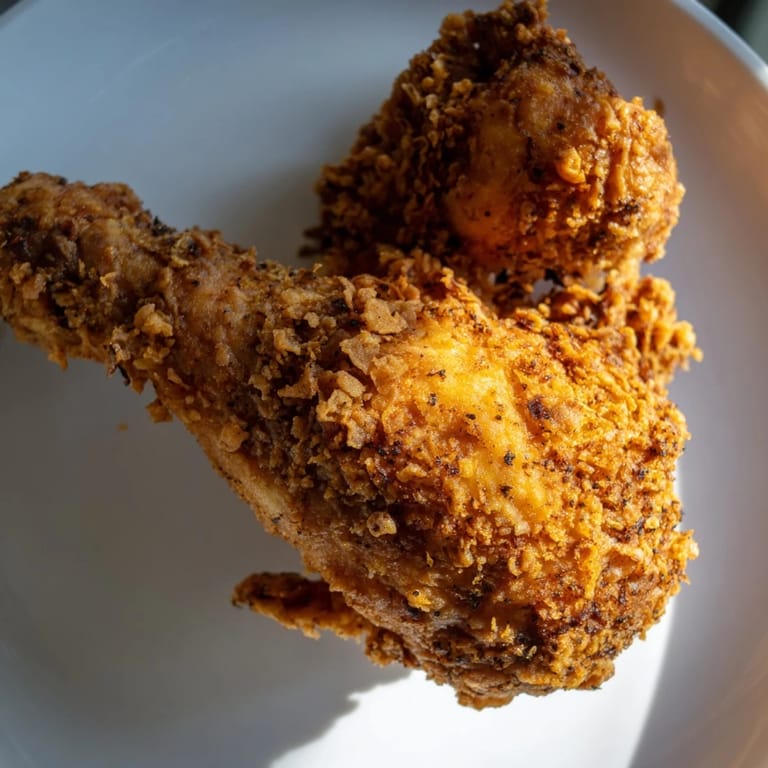
 Years ago, I stood in a KFC parking lot with my college roommate, staring at a bucket of crispy chicken, wondering what made it taste so impossibly good. We drove home determined to crack the code, and after months of kitchen experiments, burnt oil, and slightly overseasoned attempts, I finally nailed it. The moment I pulled a golden, shattering piece from the oil and bit into that familiar snap, I knew I'd found something worth keeping. This recipe has been my secret ever since, and now I'm ready to share it with you.
My sister came home from college one weekend, exhausted and hungry, and I decided to make this for dinner. When she took that first bite and her eyes went wide, she didn't say anything for a solid ten seconds—just kept eating. That's when I knew this recipe had transcended "homemade chicken" territory and become something special enough to share.
Ingredients
- Chicken (8 pieces, skin-on, bone-in): Skin-on and bone-in pieces fry up cracklier and stay juicier inside because the bones conduct heat beautifully and the skin crisps to shattering glory.
- Buttermilk (250 ml): This isn't just for flavor—the slight acidity tenderizes the chicken while its thickness helps the marinade cling to every surface.
- All-purpose flour (200 g): The foundation of your coating; don't use cake flour or it'll be too soft.
- Paprika (2 tsp): Gives that signature reddish-golden color and a subtle sweetness that ties the whole spice blend together.
- Garlic powder (1 tsp): Concentrated garlic flavor without the texture; fresh garlic would burn in the hot oil.
- Onion powder (1 tsp): Works like garlic powder—it adds savory depth that you can't quite put your finger on.
- Dried thyme, basil, oregano (1 tsp each): These three dried herbs are the secret backbone; they give the coating an herbaceous complexity that makes people ask what your "special ingredient" is.
- Celery salt, white pepper, black pepper, mustard powder, ginger, cayenne, sage (1/2 tsp each, 1 tsp salt total): Each one plays a role—mustard powder adds a subtle tang, ginger brings warmth, cayenne gives heat, sage adds earthiness; together they mimic that elusive KFC magic.
- Vegetable oil (1 liter): High heat oil is essential; avoid olive oil which smokes and imparts flavor.
Tired of Takeout? 🥡
Get 10 meals you can make faster than delivery arrives. Seriously.
One email. No spam. Unsubscribe anytime.
Instructions
- Mix the marinade:
- In a large bowl, whisk buttermilk with salt and black pepper until smooth. This mixture is your tenderizer and flavor foundation.
- Marinate the chicken:
- Submerge each piece in buttermilk, turning to coat completely. Cover and refrigerate for at least one hour—overnight is even better because the longer it sits, the more tender and flavorful it becomes. The acid in the buttermilk is quietly working its magic.
- Build your spice blend:
- In a separate bowl, combine all the seasoned flour ingredients: paprika, garlic powder, onion powder, thyme, basil, oregano, celery salt, white pepper, black pepper, mustard powder, ginger, cayenne, sage, and salt. Mix thoroughly, breaking up any clumps so the spices distribute evenly.
- Bread the chicken:
- Remove chicken from marinade and let excess drip off—you want a light coating of buttermilk, not pools. Working with one piece at a time, press it firmly into the seasoned flour, making sure every surface gets contact. The firmer you press, the better the coating adheres. Set each piece on a wire rack for ten minutes to let the coating dry slightly and set.
- Heat the oil:
- Pour oil into your deep fryer or heavy-bottomed pot and heat to 170°C (340°F). A cooking thermometer is non-negotiable here—too cool and the chicken absorbs oil and gets greasy; too hot and it burns outside before cooking through.
- Fry the chicken:
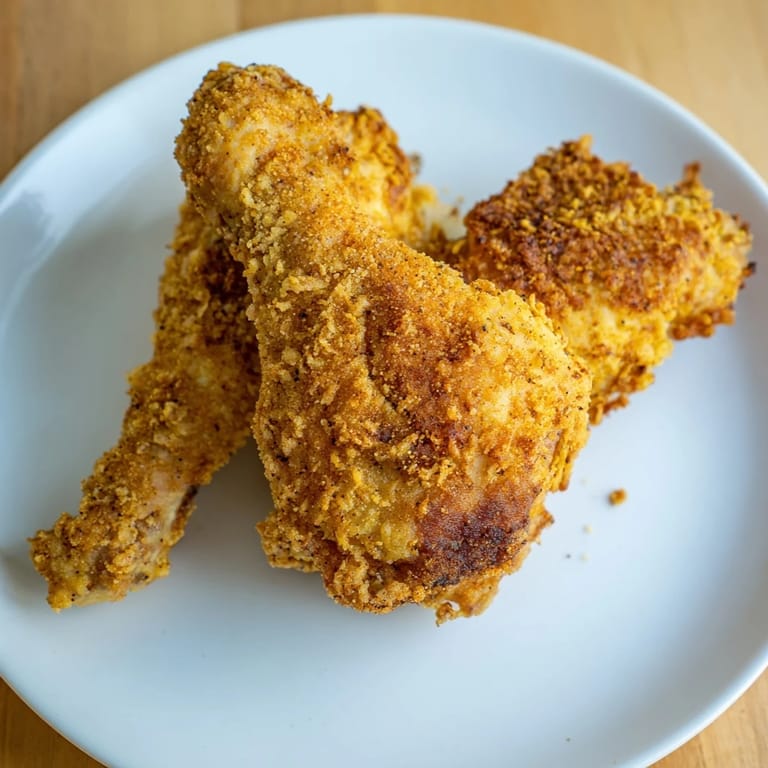
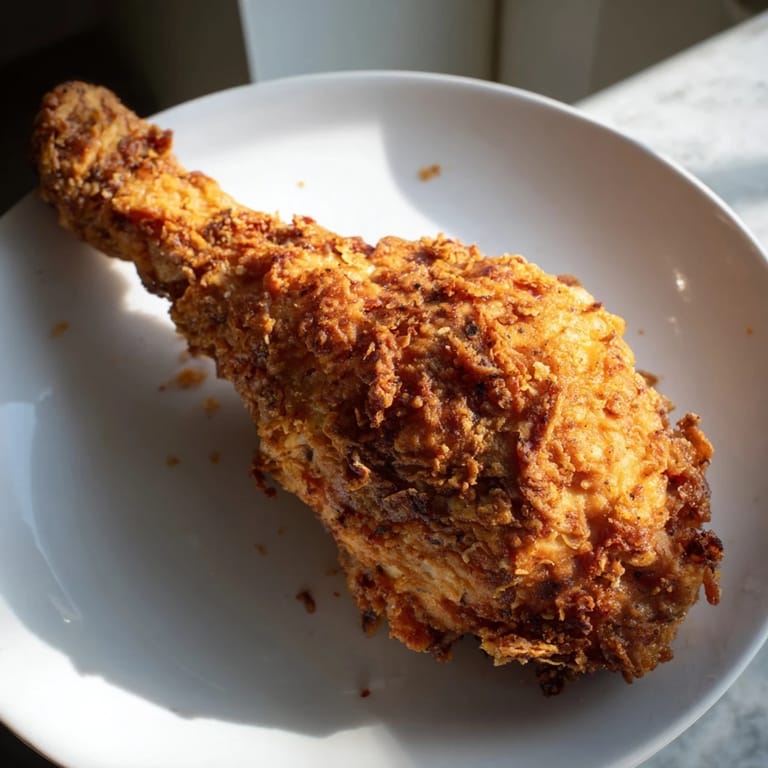
- Working in batches so you don't crowd the pot, carefully lower chicken into the hot oil. Don't move it around constantly—let each side get color. Fry for 12-15 minutes total, turning occasionally, until golden brown and the internal temperature hits 75°C (165°F). You'll know it's done when it stops making aggressive sizzling sounds and settles into a gentle sizzle.
- Drain and rest:
- Remove chicken with tongs and lay it on a wire rack or paper towels to drain. Let it rest five minutes before serving—this seals in the juices and firms up the crust slightly.
 Save to Pinterest
 The first time a friend asked for the recipe, I hesitated because I'd guarded it for so long—it felt like my secret. But watching someone taste it and understanding why I'd been so protective, why I'd perfected it over years, made me realize good food is meant to be shared. Now every time someone makes this and comes back saying they nailed it, I feel oddly proud.
The Spice Blend Breakdown
What makes this recipe work isn't one magic ingredient but rather the careful balance of thirteen different spices and seasonings. The paprika and cayenne handle color and heat, the trio of herbs (thyme, basil, oregano) provide herbal backbone, and the supporting players—mustard powder, ginger, sage—add subtle complexity that your brain registers as "familiar" but can't quite name. I learned this by making the recipe dozens of times, sometimes leaving out one spice to understand what it contributes. Every single ingredient earns its place.
Marinade Matters More Than You Think
The buttermilk marinade isn't just window dressing—it's transformative. I once tried marinating chicken in regular milk thinking it wouldn't make a difference, and the result was noticeably tougher and drier. The slight acidity in buttermilk breaks down proteins in a gentle way, tenderizing the meat while also helping salt penetrate deeper. Marinating overnight is an investment that pays off in juiciness and flavor.
Making It Your Own
This recipe is a foundation, not a prison. I've adjusted the cayenne pepper based on who I'm cooking for—backing it off for younger kids, doubling it for friends who love heat. Some people have asked about air-frying, and honestly, it works; you'll get crispier results than an oven but not quite the shattering crust of deep-fried. If you go that route, reduce the oil in the flour mixture or the coating will be too heavy.
- Start with the recipe as written, then adjust cayenne and other seasonings once you've made it once and know your preferences.
- If you're air-frying instead of deep-frying, lightly spray the breaded chicken with cooking oil so the exterior crisps properly.
- Leftover chicken reheats beautifully in a 180°C oven for about 10 minutes—way better than a microwave.
 Save to Pinterest
 This chicken tastes like home because you made it with care, understanding each step instead of just following instructions. That's the real secret, and once you've made it once, you'll be the person everyone asks for the recipe.
Common Recipe Questions
- → How do I achieve extra crispy chicken?
Double-dip the chicken by coating it in buttermilk, then seasoned flour twice to build a thicker, crunchier crust.
- → What is the purpose of marinating in buttermilk?
Buttermilk tenderizes the chicken and helps the seasoning penetrate for enhanced moisture and flavor.
- → Can I adjust the spice level of the coating?
Yes, altering the amount of cayenne pepper allows you to control the heat according to your preference.
- → What is the recommended oil temperature for frying?
Maintain oil temperature at approximately 170°C (340°F) to ensure even, golden browning without burning.
- → Is it possible to cook this using air-frying?
Air-frying is a lighter alternative but may produce a different texture; adjustments in cooking time might be needed.