 Save to Pinterest
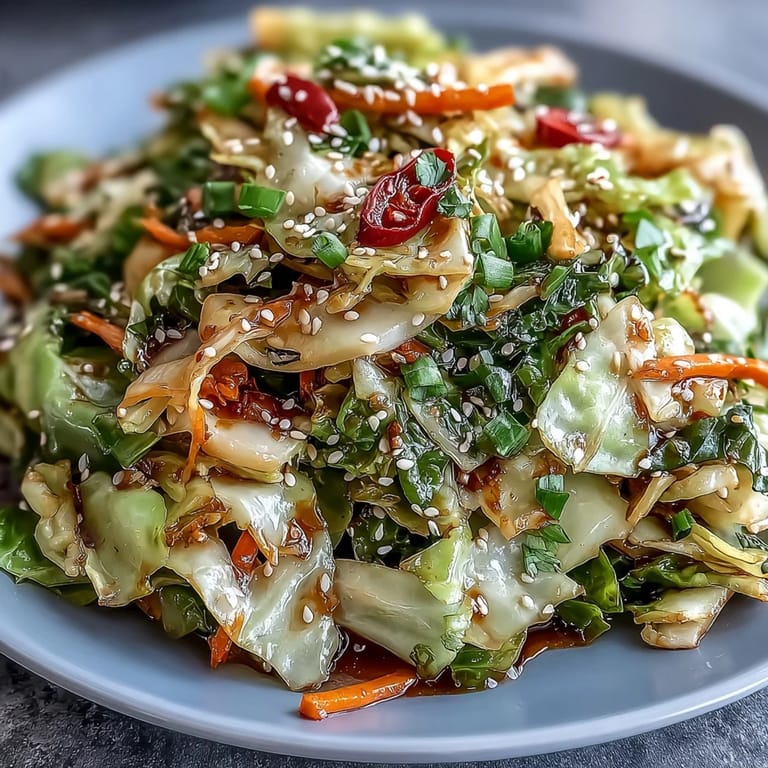
 There are dishes that carry a certain liveliness just in their making, and this spicy cabbage stir fry is one I reach for whenever the mood needs lifting. The sizzle in the wok as garlic and chili hit the oil is my favorite kind of kitchen soundtrack. I recall prepping this with a good friend beside me, both of us laughing about trying to outdo each other with our knife skills as the pile of shimmering green cabbage grew bigger. It is as much about the crunch and the heat as it is about the few fleeting, fragrant moments the vegetables spend in the pan. This one has taught me that the simplest things can leave the strongest impression on a table.
That one rainy weekday sticks in my mind—a couple of us huddled in the kitchen, dripping umbrellas and all, tossing together cabbage and carrot while debating the perfect chili count. There was something cheerful about the flecks of red and green on that gray afternoon, and the dish became an edible reminder that sharing a speedy meal can brighten any mood.
Ingredients
- Green cabbage: Choose a firm, bright head—thin slices cook evenly and keep a delightful crunch, which makes all the difference.
- Carrot: A single carrot goes a long way for color and a hint of sweetness; I like to cut it into fine matchsticks so it cooks at the same pace as the cabbage.
- Spring onions: Slicing the white and green parts separately gives bursts of flavor in different bites—add the green at the end for freshness.
- Garlic: Chopped, not crushed, so it doesn’t burn in the hot oil; let it perfume the oil and wake up your senses.
- Fresh ginger: Grating it means no stringy bits—just clean, zippy heat.
- Red chilies: Use as many or as few as you like; always taste a sliver before tossing them in if you’re unsure of their power.
- Soy sauce (or tamari): The umami backbone—regular soy for classic depth, tamari for gluten-free richness.
- Rice vinegar: Adds a bright note and rounds out the saltiness, never skip it.
- Toasted sesame oil: Stir this in just before serving for an unmistakable nutty aroma.
- Sugar or maple syrup: Even a tiny spoonful helps balance the heat and salt; I’ve tried both and just go with whatever I have on hand.
- Ground white pepper: This little detail brings subtle bite and warmth that black pepper can’t match here.
- Vegetable oil: Pick something with a neutral flavor and a high smoke point so you can get a good sear on everything.
- Toasted sesame seeds: Sprinkle on at the finish for a pleasant, toasty crunch that’s impossible not to snack on.
- Fresh coriander leaves: If you like the herby zing, a handful adds big flavor just before digging in—but it’s optional.
Tired of Takeout? 🥡
Get 10 meals you can make faster than delivery arrives. Seriously.
One email. No spam. Unsubscribe anytime.
Instructions
- Get prepped:
- Chop all your veggies and aromatics before you start—the actual cooking goes by in a flash and you’ll want everything at hand.
- Start the sizzle:
- Heat your wok until it’s almost smoking, swirl in the oil, then toss in the garlic, ginger, and chilies; stir quickly and breathe in the aroma as it fills the kitchen.
- Color and crunch:
- Scoop in the spring onion whites and carrot, tossing them for a minute until everything looks bright and edges begin to soften.
- Main event:
- Scatter in the cabbage, keep things moving constantly; listen for the satisfying squeak as it hits the pan and watch as the shreds turn glossy yet stay crisp.
- Sauce it up:
- Whisk the soy, vinegar, sesame oil, sugar, and pepper together, then pour it all over the cabbage, stirring so every leaf is just coated and shiny.
- Final toss:
- Let it sizzle for another two minutes, enough for everything to meld but not get soft—add spring onion greens at the very end off the heat.
- Serve and garnish:
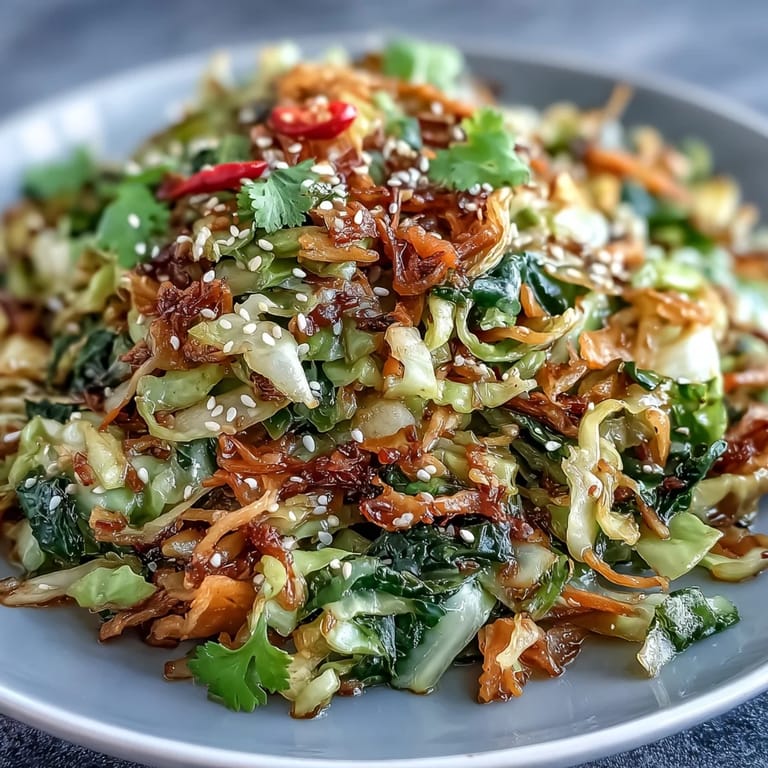
- Tumble the stir fry onto a plate, shower with sesame seeds, and finish with coriander leaves if you’re using them; serve it hot for best texture.
 Save to Pinterest
 I once brought this dish to a neighborhood potluck, expecting it to be an unassuming side, and ended up scribbling the recipe onto napkins for people more interested in the cabbage than the centerpiece. It was a little funny and reminded me how sometimes the simplest thing on the table draws the most attention.
Making It Your Own
Experimenting with what’s in the fridge can turn this stir fry into something new every time; bell peppers bring sweetness, mushrooms add umami earthiness, and sometimes I’ll sneak in snap peas for a little bite. The base is trustworthy, but the fun lies in stretching it to fit your mood or your pantry.
Timing Is Everything
This recipe rewards speed and confidence on high heat: the hotter and quicker, the better. Keep your spatula moving and resist the urge to walk away—even half a minute overcooked and you lose that perfect crunch.
Serving Suggestions & Leftovers
Though it’s designed as a side, I’ve happily topped warm bowls of rice with leftovers for lunch, or tossed in cubes of crisp tofu for a standalone dinner. Add a dash of chili oil before serving for real spice chasers, or keep it mellow for those who like things gentler.
- If you plan to save some, store components separately to preserve texture.
- Fresh coriander can wilt quickly, so add it right before serving.
- Taste and adjust seasonings just before you plate—it’s the last chance to make it truly your own.
 Save to Pinterest
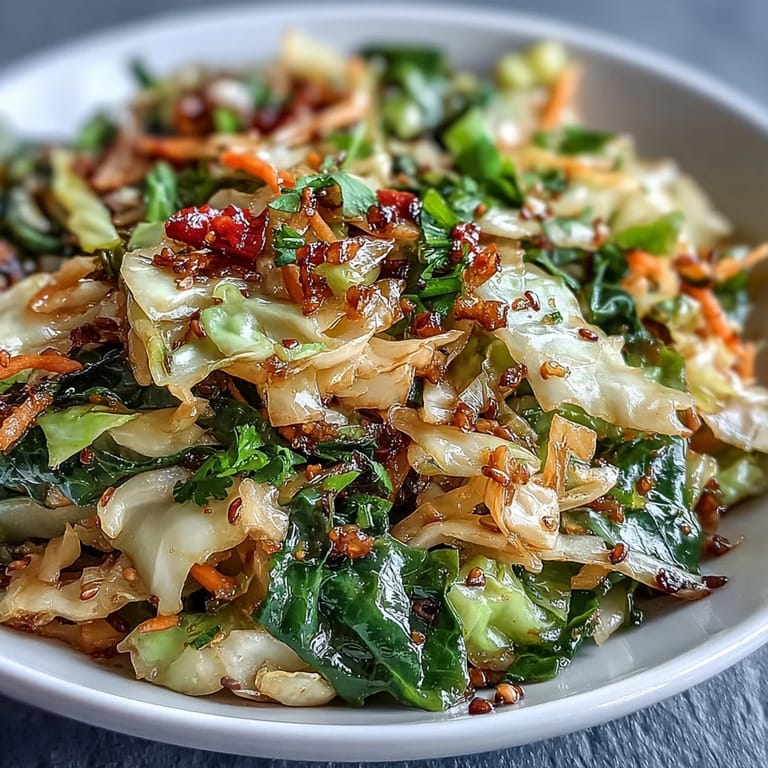
 Even with only a few ingredients and minutes, this stir fry has become my little kitchen celebration of bold flavors. I hope it brings as much color and warmth to your table as it has to mine.
Common Recipe Questions
- → How do I control the spice level?
Adjust the number and type of chilies: remove seeds for milder heat or use fewer chilies. Add a touch more sugar or maple syrup to balance intense heat.
- → Can this be made gluten-free?
Yes—substitute tamari or a certified gluten-free soy sauce for regular soy sauce, and check labels on any added sauces or condiments.
- → How can I keep the cabbage crisp?
Cook over high heat in a hot wok or skillet and toss constantly. Stir only long enough for the cabbage to wilt slightly while retaining snap, about 2–3 minutes per stage.
- → What oils work best for high-heat cooking?
Use neutral high-smoke-point oils such as peanut, sunflower or canola oil to achieve a quick sear without burning the aromatics.
- → What additions boost protein and texture?
Toss in cubed tofu, tempeh, or thinly sliced seared mushrooms toward the end of cooking. Pressed firm tofu works well to hold texture under high heat.
- → What sides pair well with this dish?
Serve with steamed rice, fluffy noodles, or alongside other vegetable dishes. A light splash of lime or extra rice vinegar brightens the plate.