 Save to Pinterest
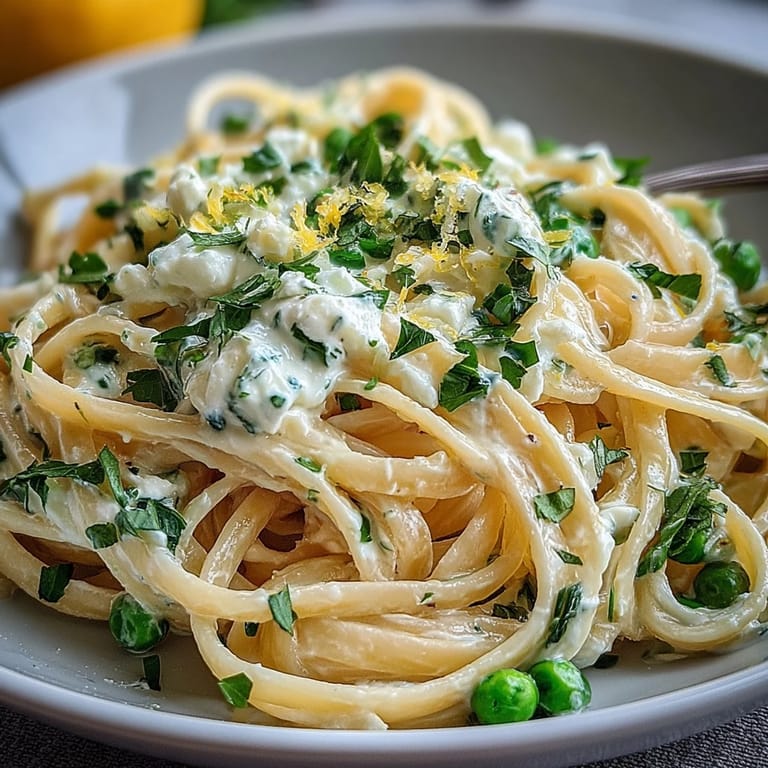
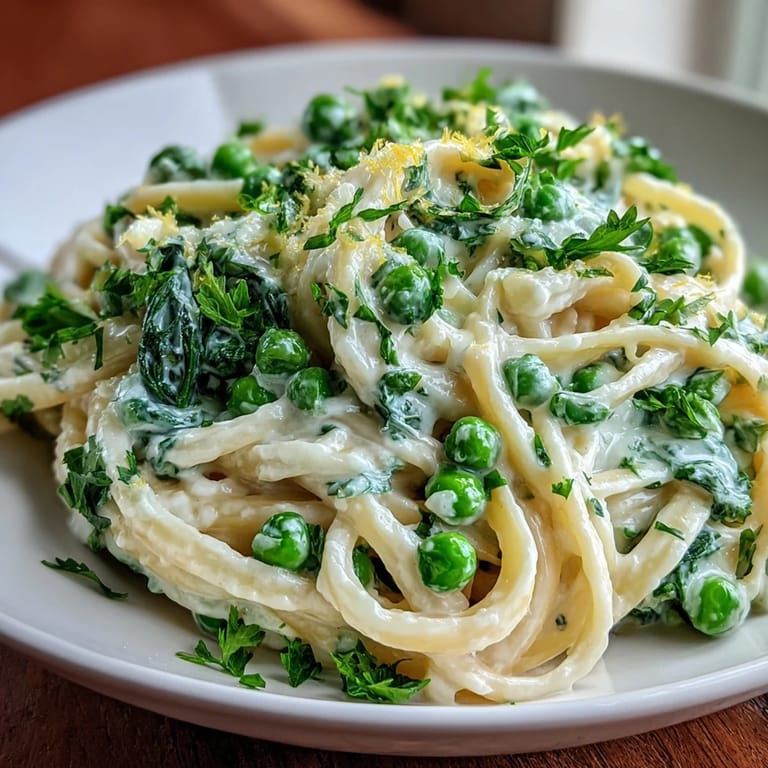
 The first time I made this linguine recipe was on a rainy spring afternoon when the garden seemed to explode with green. There was only a faint citrus scent in the air as I grated the lemon, but the promise of something vibrant was undeniable. Peas rolled all over the counter—no matter how careful I was, a few always escape. Sometimes, I laugh at how much zest ends up on my fingers instead of the bowl. This dish really feels like spring in pasta form—fresh, creamy, and just bright enough to chase away lingering winter gloom.
A few weeks ago, my friend Mia stopped by unexpectedly, and we ended up cooking this pasta together. We took turns zesting and chatting about upcoming travel plans, and at one point she accidentally dropped some parsley onto the floor—her look of mock horror set us off in giggles. Even after the pasta disappeared, her plate was virtually spotless, and she insisted the peas tasted sweeter because we made it side by side. Cooking becomes a shared adventure, even with simple recipes.
Ingredients
- Linguine: Go for classic linguine as it holds the creamy sauce—cook it just until al dente for best texture.
- Fresh or frozen peas: Fresh peas give a bursting sweetness, but frozen work perfectly if you're out of season.
- Garlic: Mincing garlic finely avoids sharp bites and helps its aroma infuse the oil gently.
- Lemon zest & juice: Use unwaxed lemons and zest before juicing for maximum brightness; squeeze just before mixing to preserve the tang.
- Ricotta cheese: Whole-milk ricotta is creamier; stir it well to smooth out the texture.
- Parmesan cheese: Freshly grated Parmesan melts into the sauce and brings depth—avoid pre-grated varieties.
- Extra-virgin olive oil: Adds subtle richness; use a fruity oil if you can.
- Salt and black pepper: Adjust to taste and season both the pasta water and the sauce for layers of flavor.
- Fresh parsley: Adds freshness and a pop of color; chop just before garnishing.
Tired of Takeout? 🥡
Get 10 meals you can make faster than delivery arrives. Seriously.
One email. No spam. Unsubscribe anytime.
Instructions
- Boil the pasta:
- Fill your pot with water, salt it generously, and bring to a lively boil; add linguine and stir, then watch for that moment when the strands are tender but still have bite.
- Sauté the aromatics:
- While pasta cooks, warm your skillet and swirl in the olive oil; toss the garlic in and inhale the bright fragrance—careful not to let it brown.
- Add the peas:
- Scatter peas into the skillet, listening for their quiet pop and watching them turn a vivid green, tender but not mushy.
- Make the ricotta sauce:
- In your mixing bowl, blend ricotta, lemon zest, juice, Parmesan, salt, and pepper until creamy—taste for that perfect balance between tangy and savory.
- Combine and toss:
- Add drained pasta and the warm peas with garlic and oil to the bowl; toss gently, drizzling in the reserved cooking water until the sauce is smooth and glossy.
- Finish and serve:
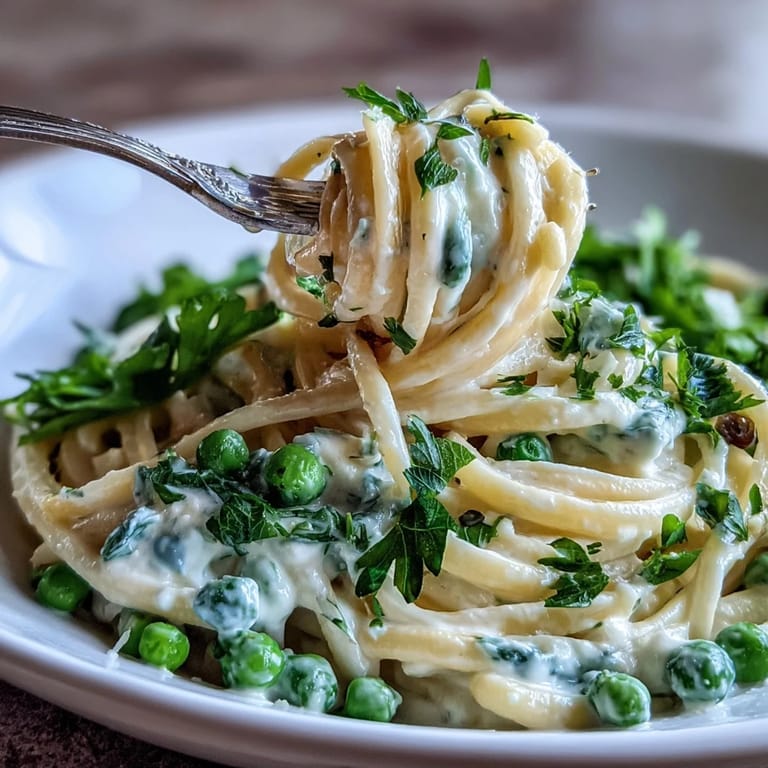
- Sprinkle parsley, check seasoning, and pile onto plates—garnish with extra Parmesan and zest for brightness, then serve while everything is still steaming and fragrant.
 Save to Pinterest
 It's funny how this dish transformed a simple meal into a small celebration when my cousin arrived for lunch. We ended up staying at the table far longer than expected, squeezing fresh lemon over our plates and reminiscing about garden smells from childhood. Sometimes, the lightness of a meal becomes the backdrop for laughter and stories.
Ricotta: How to Find the Creamiest
After a few batches, I realized that not all ricotta is created equal. If you have the option, seek out local or artisanal ricotta—the flavor and texture can lift your pasta from good to memorable. Draining excess moisture before mixing really helps avoid a watery sauce. A quick stir before combining makes everything silkier and easier to toss.
Making Lemon Flavor Sing
Zesting lemons used to be messy until I started laying a piece of parchment under the fruit to catch stray bits. The secret is to zest only the yellow layer—avoid the bitter white pith. Add zest at the last moment to preserve its perfume, and taste the sauce before adding extra juice so it doesn't overpower the other flavors.
Simple Adjustments for More Freshness
Sometimes, I throw in a handful of baby spinach or arugula as the peas cook for even more color and freshness. Swapping the ricotta for mascarpone offers a richer flavor, which is great for dinner parties, but I find the original recipe is perfect for spring lunches. Serving with chilled Sauvignon Blanc keeps things crisp, and a quick parsley garnish instantly brightens up the plates.
- Let leftovers cool before refrigerating to avoid soggy pasta.
- If using frozen peas, run them under warm water to speed things up.
- Grate Parmesan just before serving for maximum aroma.
 Save to Pinterest
 Whether you're cooking for yourself or sharing with friends, this spring pasta brings brightness and comfort with every plate. I hope it makes your kitchen feel a little lighter and your meals a bit happier.
Common Recipe Questions
- → Can I use frozen peas instead of fresh?
Yes, frozen peas work well and will cook only slightly longer than fresh peas until just tender.
- → How can I make the sauce creamier?
Use reserved pasta water to loosen the sauce, or substitute mascarpone for ricotta for extra richness.
- → Is whole-wheat pasta suitable?
Whole-wheat linguine adds nutty flavor and more fiber, making the dish heartier and wholesome.
- → What herbs can I add for extra freshness?
Fresh parsley is ideal; a handful of baby spinach or arugula also brings a bright, green touch.
- → What wine pairs best with this meal?
Chilled Sauvignon Blanc or Pinot Grigio complements the lemony, creamy flavors beautifully.
- → Are there allergy concerns?
This dish contains wheat and dairy—always check cheese and pasta labels for potential allergens.