 Save to Pinterest
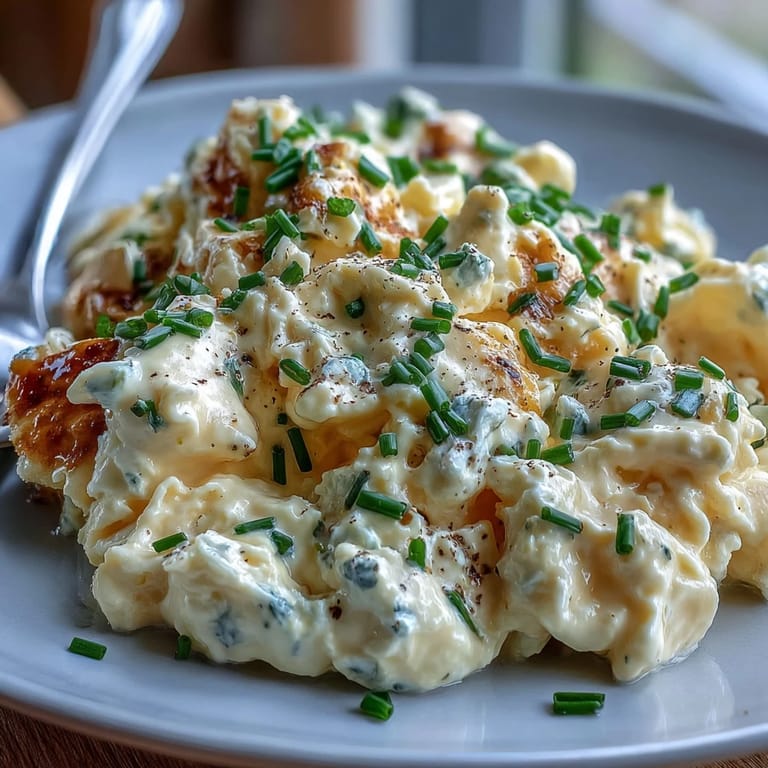
 The sound of eggs sizzling in a pan always reminds me of early mornings when the world is still quiet. I stumbled into this protein-packed scrambled egg twist the day after a long hike, craving something nourishing but with a little luxury. The cottage cheese was a last-minute addition—a lonely container in my fridge that turned out to be the secret to the softest, creamiest scramble. It was one of those kitchen accidents that actually made me pause mid-bite, surprised at my own creation. Not every experiment deserves a repeat, but this one has seen my breakfast table more times than I can count.
One Saturday when my best friend came over still half asleep, I whipped up these scrambled eggs without a second thought. We wound up eating them straight from the pan, chives flying everywhere, marveling at how the cottage cheese made everything taste lighter and richer at the same time.
Ingredients
- Large eggs: Fresh eggs make a visible difference in both puffiness and flavor—I've found room-temperature eggs whisk best and result in eggs that are impossibly fluffy.
- Cottage cheese: The type matters—low-fat gives a lighter finish, full-fat will hug your taste buds even closer, and stirring it in gently helps preserve its creamy pockets.
- Unsalted butter: Butter gives you those delicately nutty notes and keeps the eggs from sticking—wait for it to foam before adding eggs.
- Fresh chives or green onions: Even a sprinkle adds a fresh pop of flavor and color; finely snipping them prevents overpowering bites.
- Salt and freshly ground black pepper: Don’t skimp on these—a little freshness from cracked pepper makes a big impact in every forkful.
Tired of Takeout? 🥡
Get 10 meals you can make faster than delivery arrives. Seriously.
One email. No spam. Unsubscribe anytime.
Instructions
- Make the egg base:
- Whisk together the eggs, salt, and pepper in a medium bowl until you can’t see any streaks of yolk or whites left.
- Add the cottage cheese:
- Gently fold the cottage cheese into the eggs, being careful not to overmix so you keep a few creamy curds.
- Prep your skillet:
- Add the butter to a nonstick skillet set over medium-low heat. When you see foaming and smell that first whiff of warm butter, you’re ready.
- Cook the eggs:
- Pour in the egg mixture and, using a spatula, slowly stir and scrape the bottom of the pan as the eggs begin to set in soft folds.
- Finish to creamy perfection:
- Take the eggs off the heat when still slightly runny—they’ll keep cooking in their own heat for that dreamy consistency.
- Add your finishers:
- Scatter chives or green onion over top, breathe in that fresh aroma, and serve your scramble before it cools.
 Save to Pinterest
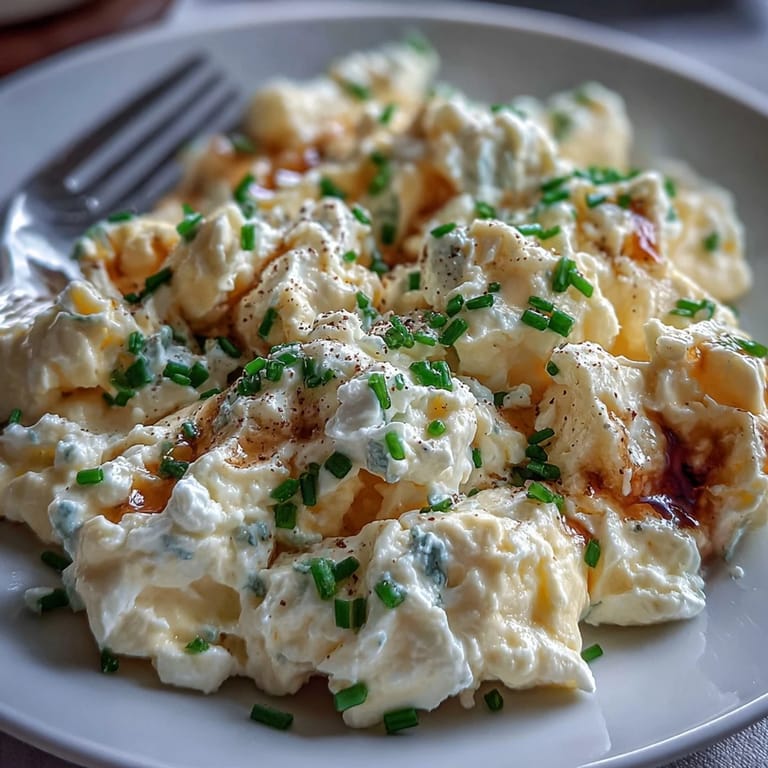
 One bright spring afternoon, these eggs became the centerpiece of an impromptu brunch when my neighbor wandered in for a coffee and left clutching the recipe, raving that she’d never tasted scrambled eggs quite so pillowy.
Mixing Up Your Scramble
After making this a dozen times, I’ve learned a handful of good surprises: tossing a pinch of smoked paprika into the eggs adds depth, and slipping in a handful of spinach wilts it just enough to brighten the whole plate—both changes that keep boredom at bay.
Making It Your Own
Sometimes, I serve this on toasted sourdough with sliced tomatoes, but when I’m after even more protein, a few chunks of cooked turkey or smoky salmon stirred in right before serving instantly turns breakfast into a mini feast.
For Breakfasts Worth Looking Forward To
The key is getting those eggs off the heat before you think they’re done—they’ll reach perfect creaminess as they rest for just a moment in the pan, and suddenly plain eggs become something you look forward to every morning.
- Keep chives or green onions ready for garnishing to add pop.
- Let kids sprinkle their own toppings for fun and flair.
- Use a gentle hand—overworking the eggs makes them tough.
 Save to Pinterest
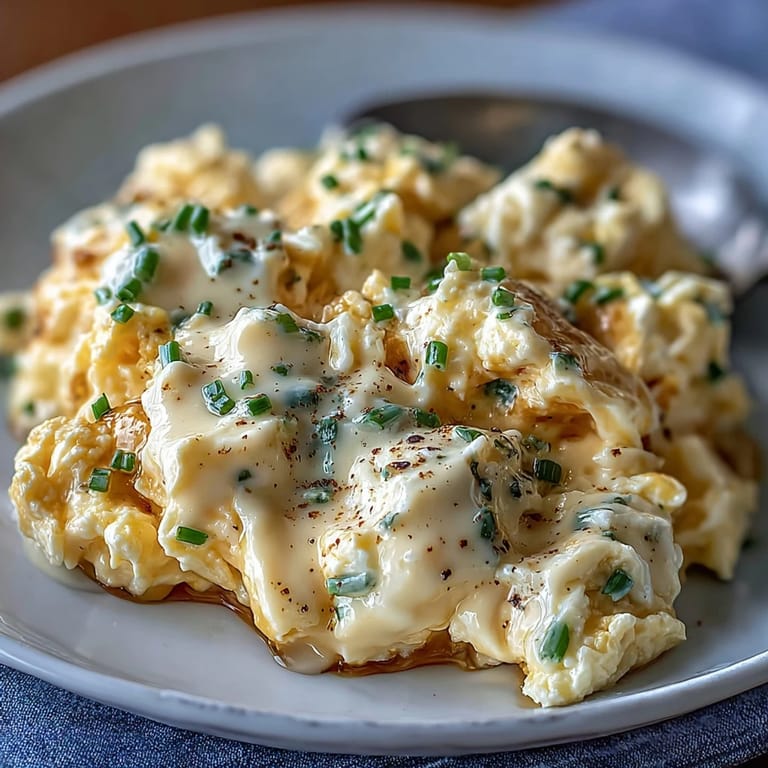
 When breakfast starts with eggs this rich and satisfying, every little chore ahead seems just a bit lighter. I hope your table sees these as often as mine does.
Common Recipe Questions
- → What cottage cheese works best?
Use small-curd cottage cheese for a smoother mix; low-fat or full-fat both work—full-fat yields silkier eggs while low-fat keeps calories lower.
- → How do I keep the eggs creamy, not dry?
Cook over medium-low heat and stir gently and continuously. Remove the pan from heat while the eggs are still slightly underdone; carryover heat finishes them.
- → Can I add vegetables or protein additions?
Yes—fold in baby spinach until wilted, add diced cooked turkey, or top with smoked salmon. Add extras near the end to avoid overcooking the eggs.
- → How long can leftovers be stored?
Cool quickly, refrigerate in an airtight container, and use within 1–2 days. Reheat gently over low heat or in short bursts in a microwave to avoid drying out.
- → Any seasoning tips to boost flavor?
Finish with fresh chives or green onions and a pinch of smoked paprika for depth. A squeeze of lemon brightens the cottage cheese flavor.
- → What’s a dairy-free alternative?
Replace cottage cheese with blended silken tofu and use olive oil or a dairy-free spread; cook gently as you would the eggs for a similar creamy texture.