 Save to Pinterest
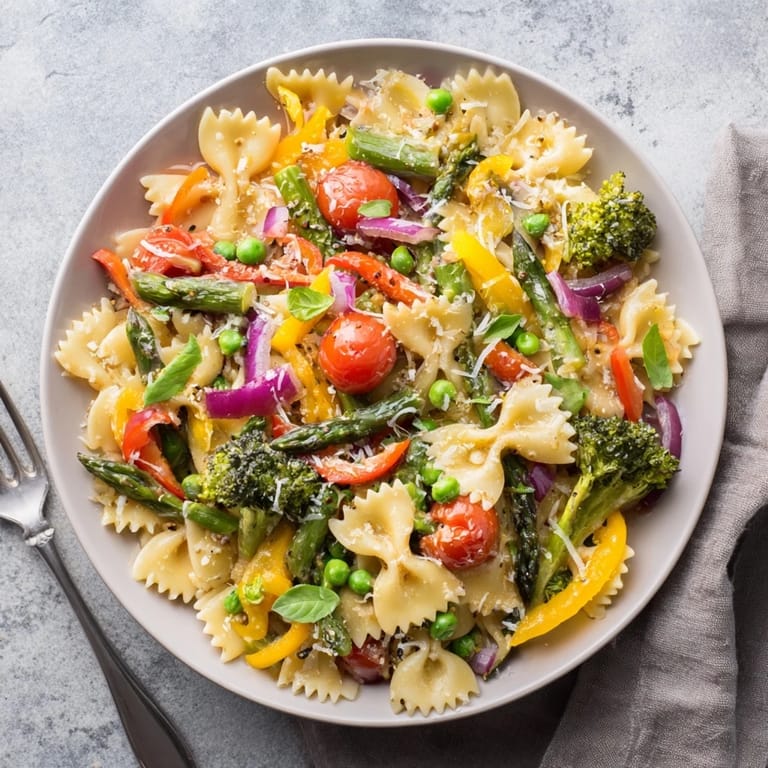
 My cutting board looked like a farmers market exploded on it, every color imaginable piled in neat little heaps. I was trying to impress a friend who claimed vegetables were boring, and I figured if I couldn't win her over with nutrition talk, maybe a rainbow would do the trick. The pasta water was already boiling when I realized I'd bought way more veggies than the recipe called for, but I tossed them all in anyway. She took one bite, looked at me with wide eyes, and said it tasted like spring in a bowl. I've been making it that way ever since, overloaded and unapologetic.
I made this for a potluck once, and someone asked if I'd ordered it from a restaurant. I laughed because I'd been running late and had chopped everything in a frantic blur, tossing it into the pan with barely a glance at the clock. But that's the magic of this dish: it forgives chaos. The vegetables cook quickly, the pasta ties everything together, and suddenly you look like you have your life together. It became my go-to whenever I wanted to feel capable in the kitchen, even on days when I absolutely wasn't.
Ingredients
- Bow-tie (farfalle) pasta: The ruffled edges catch the olive oil and tiny vegetable bits beautifully, and they look cheerful on the plate, which matters more than you'd think.
- Cherry tomatoes: They burst slightly when heated, releasing sweet juice that becomes part of the sauce, so don't skip the halving step or they'll roll around whole.
- Asparagus: Cut them into one-inch pieces so they cook at the same rate as the other vegetables and don't turn into sad, soggy spears.
- Red bell pepper: Slice thin so they soften quickly without losing their bright flavor or that satisfying slight crunch.
- Yellow squash: Half-moons cook evenly and add a buttery sweetness that balances the sharper vegetables without getting mushy.
- Broccoli florets: They soak up the garlic oil like little flavor sponges, so make sure they're bite-sized or they'll dominate every forkful.
- Carrots (julienned): Thin strips cook fast and add a touch of natural sweetness and crunch that makes the dish feel more dynamic.
- Red onion: Thinly sliced, they mellow in the heat and add a gentle sharpness that doesn't overwhelm the lighter vegetables.
- Frozen peas: They're a shortcut that actually works, adding pops of color and sweetness without any extra prep.
- Extra-virgin olive oil: This is your sauce base, so use one you'd actually want to taste, nothing harsh or bitter.
- Garlic (minced): Fresh is essential here because it perfumes the oil and sets the whole flavor foundation, and jarred just won't do the same.
- Crushed red pepper flakes: Optional, but a pinch adds a whisper of heat that wakes up the whole dish without making it spicy.
- Sea salt and black pepper: Season as you go, tasting the vegetables midway so the final dish doesn't need frantic last-minute adjustments.
- Lemon zest and juice: The zest adds aromatic brightness, and the juice cuts through the oil, making everything taste fresher and more alive.
- Parmesan cheese: A salty, nutty finish that makes the dish feel indulgent even though it's mostly vegetables, but it's totally optional.
- Fresh basil and parsley: Toss them in at the end for a burst of green flavor that reminds you this isn't just healthy, it's delicious.
Tired of Takeout? 🥡
Get 10 meals you can make faster than delivery arrives. Seriously.
One email. No spam. Unsubscribe anytime.
Instructions
- Boil the pasta:
- Bring a large pot of salted water to a rolling boil and cook the bow-tie pasta until al dente, then save half a cup of the starchy water before draining. That pasta water is liquid gold for loosening the sauce later.
- Start the garlic base:
- Heat two tablespoons of olive oil in a large skillet over medium heat, add the minced garlic and red pepper flakes, and let them sizzle for about a minute until your kitchen smells incredible. Don't let the garlic brown or it'll turn bitter and ruin the whole vibe.
- Cook the sturdy vegetables first:
- Toss in the carrots, broccoli, and asparagus, stirring occasionally for three to four minutes until they start to soften but still have some bite. These take longest, so they get a head start.
- Add the tender vegetables:
- Stir in the red onion, bell pepper, yellow squash, and a pinch of salt, cooking another three to four minutes until everything is just tender and still brightly colored. You want them cooked, not sad and limp.
- Finish with the quick-cooking vegetables:
- Add the cherry tomatoes and peas, stirring gently for two minutes until the tomatoes just start to release their juices and the peas are heated through. This is where the dish really comes alive with color.
- Toss with pasta and lemon:
- Add the drained pasta, the remaining tablespoon of olive oil, lemon zest, and lemon juice, tossing everything together and adding splashes of reserved pasta water until it all glistens. The starch helps the oil cling to every piece.
- Season and finish:
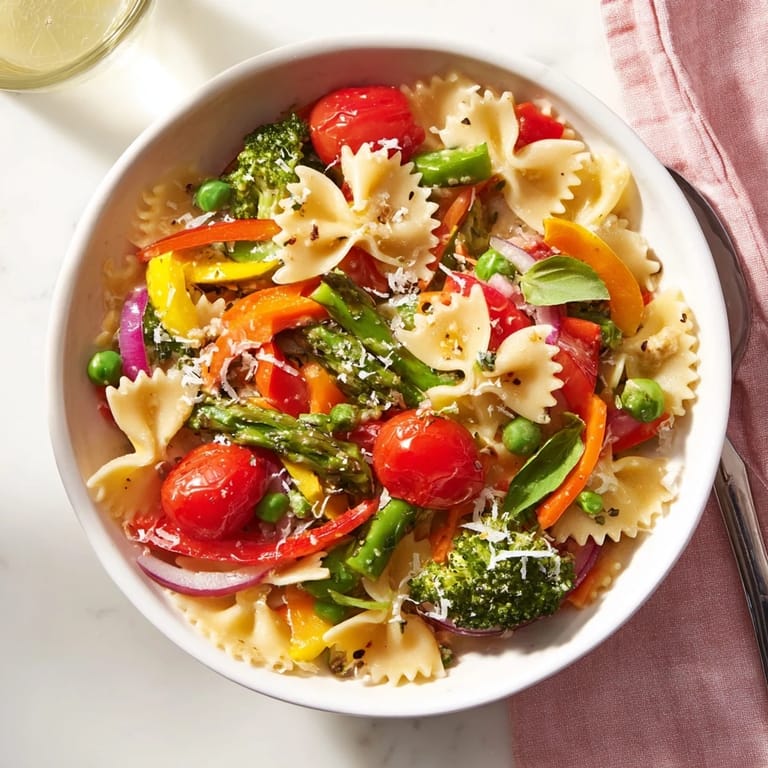
- Taste and add more salt and black pepper as needed, then remove from heat and toss with Parmesan, fresh basil, and parsley. Serve immediately while everything is still warm and vibrant.
 Save to Pinterest
 One evening, I served this to my mom, who usually insists on meat with every meal. She ate two full bowls and didn't mention the absence of chicken once. Later, she called to ask for the recipe, and I realized this dish had quietly won over the toughest critic I knew. It wasn't just pasta anymore, it was proof that vegetables could be the main event.
Making It Your Own
This recipe is a template, not a rulebook, so swap in whatever vegetables are begging to be used in your fridge. Zucchini, snap peas, green beans, even thinly sliced fennel all work beautifully as long as you adjust the cooking time based on their texture. I've made this with kale, mushrooms, and even roasted cauliflower when I was feeling adventurous. The key is keeping the colors varied and the vegetables cut to similar sizes so everything cooks evenly and looks intentional on the plate.
Serving and Pairing Ideas
This pasta shines as a standalone main dish, but it also plays well with others if you want to round out the meal. A crusty baguette with good butter, a simple arugula salad with lemon vinaigrette, or even a light white wine like Pinot Grigio all make it feel a little more special. If you're adding protein, grilled chicken, sautéed shrimp, or even crispy chickpeas work without overshadowing the vegetables. I've also served it cold the next day as a pasta salad, and it held up surprisingly well with a little extra lemon juice and olive oil.
Storage and Reheating
Leftovers keep in an airtight container in the fridge for up to three days, though the vegetables will soften a bit and lose some of their vibrant snap. Reheat gently in a skillet with a splash of water or olive oil, stirring frequently so the pasta doesn't dry out or stick. I've also eaten it cold straight from the fridge, and while it's not quite the same, it's still tasty and makes for an easy lunch.
- If you're meal prepping, slightly undercook the vegetables so they don't turn mushy when reheated.
- Store the fresh herbs separately and toss them in just before serving to keep them bright and fragrant.
- Add a squeeze of fresh lemon juice when reheating to wake up the flavors that dulled in the fridge.
 Save to Pinterest
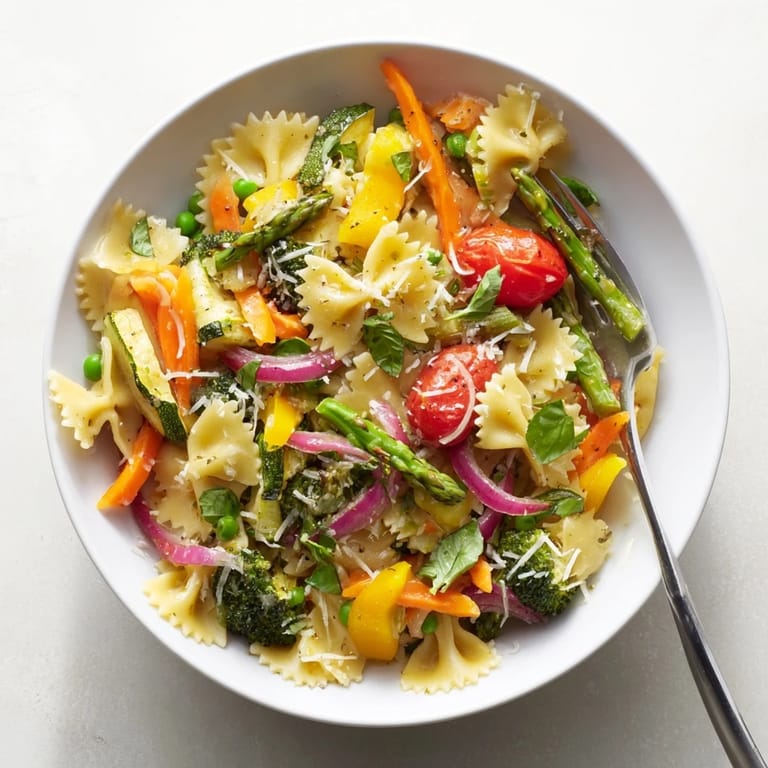
 This pasta has become my answer to the question of what to make when I want something that feels both nourishing and celebratory. It's bright, forgiving, and somehow always tastes like you put in more effort than you actually did.
Common Recipe Questions
- → Can I prepare this dish ahead of time?
While best served fresh, you can prepare the vegetables in advance. Cook the pasta and sauté vegetables just before serving to maintain the vibrant colors and fresh texture.
- → What vegetables work best for substitutions?
Any colorful seasonal vegetables work well. Try zucchini, snap peas, green beans, or sun-dried tomatoes. Aim for a variety of textures and colors for visual appeal.
- → How do I make this dish vegan?
Simply omit the Parmesan cheese or substitute with nutritional yeast or plant-based Parmesan. All other ingredients are naturally vegan-friendly.
- → Can I add protein to this dish?
Absolutely. Grilled chicken, shrimp, white beans, or tofu are excellent additions that complement the light lemon sauce without overpowering the fresh vegetable flavors.
- → What wine pairs well with this meal?
A crisp Sauvignon Blanc or Pinot Grigio pairs beautifully with the bright lemon and fresh herb flavors, enhancing the light and refreshing nature of the dish.
- → Is this gluten-free?
Regular pasta contains gluten, but you can easily make this dish gluten-free by using certified gluten-free bow-tie pasta while keeping all other ingredients the same.