 Save to Pinterest
 The first time I had a proper matcha latte was in a tiny café in Kyoto where the barista moved with such quiet precision I was afraid to breathe. I watched her whisk the vibrant green powder into a frothy suspension, and when I took that first sip—earthily bitter, naturally sweet, impossibly smooth—something shifted in how I thought about morning drinks. Now my kitchen cabinet always has that distinctive bright green canister sitting front and center.
Last winter my sister visited during a particularly gray week and I made us matcha lattes every morning. She watched me whisk that first day, skeptical about the green sludge in my mug, but by the third day she was the one waking up early to sift the powder herself. We started experimenting with different milk alternatives and sweeteners, turning those gray mornings into something bright and ritual.
Ingredients
- Matcha green tea powder: Sifting first is nonnegotiable—I learned this after months of stubbornly trying to whisk out lumps that never disappeared
- Hot water: Let boiling water cool for about three minutes or you will cook the delicate powder and turn it bitter
- Milk: Oat milk creates the creamiest foam while almond milk lets the grassy notes really shine through
- Honey, maple syrup, or sugar: Start with less than you think—the natural sweetness of good milk might be enough
Tired of Takeout? 🥡
Get 10 meals you can make faster than delivery arrives. Seriously.
One email. No spam. Unsubscribe anytime.
Instructions
- Create the matcha base:
- Sift your powder into a warm bowl to prevent any stubborn clumps from ruining your velvet texture
- Whisk to life:
- Use a bamboo chasen if you can find one, moving your wrist in a zigzag motion until tiny bubbles cover the surface
- Warm the milk:
- Heat until steam rises but bubbles barely form at the edges—you want it hot enough to meld flavors not scald them
- Build your latte:
- Pour the green elixir into your favorite mug, add sweetener if using, then gently slide the milk in while holding back the foam with a spoon
- Crown with foam:
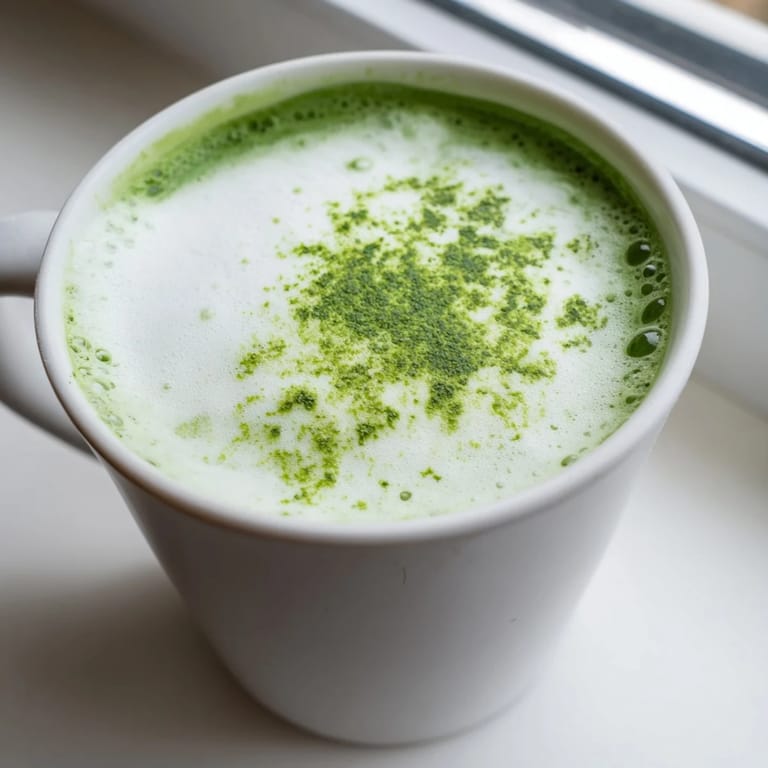
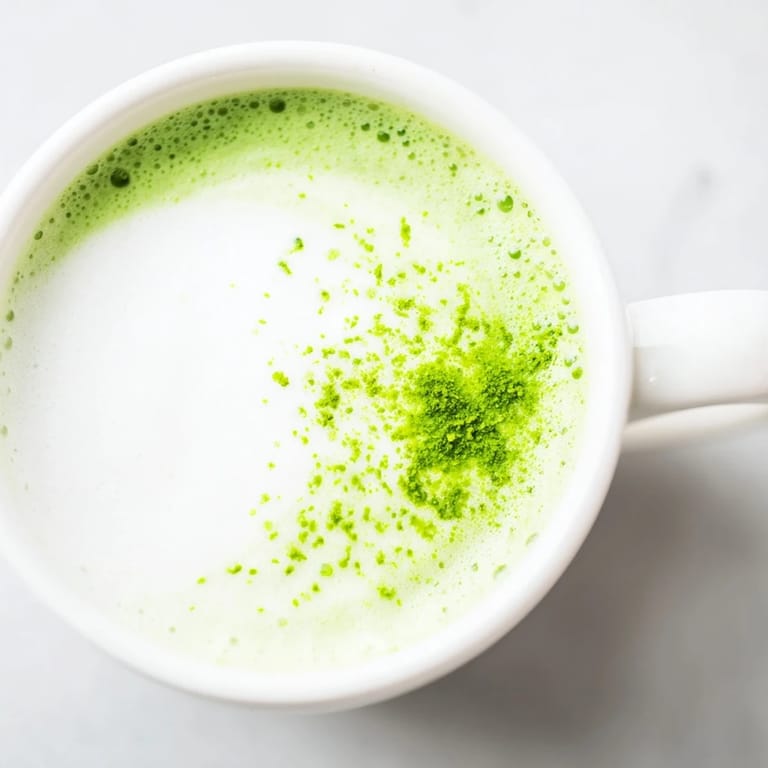
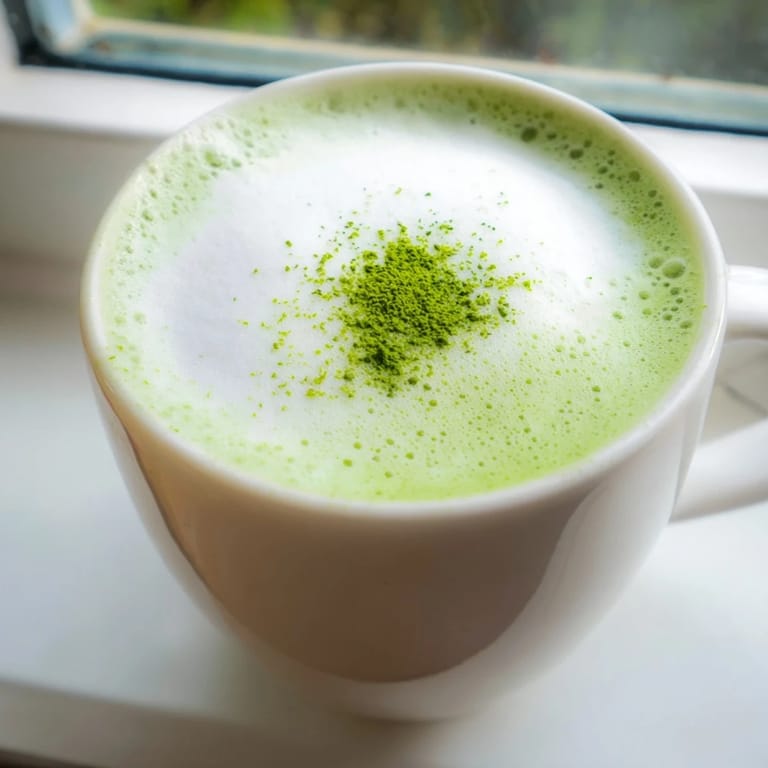
- Spoon that airy froth on top like a cloud and maybe dust with a pinch of extra matcha for that café aesthetic
 Save to Pinterest
 During exam season in college I made terrible matcha lattes with scalding water and cheap powder, wondering why everyone raved about this stuff. Years later a friend finally showed me the proper technique and the difference was so shocking I almost laughed. Now making a good one feels like giving my past self the gift she needed back then.
Finding Your Perfect Matcha
Ceremonial grade costs more but tastes sweeter with more umami depth while culinary grade works beautifully if you plan to mix it into smoothies or baked goods. Trust me I tried the cheap stuff and the difference is not subtle.
Milk Magic
Whole milk creates the most luxurious mouthfeel but oat milk surprisingly mimics that creaminess while adding its own subtle sweetness. Coconut milk works too but adds a tropical twist that some love and others find strange.
The Iced Version That Changed Everything
In summer I whisk the matcha base extra concentrated then pour it over a glass filled with ice cubes and cold oat milk. The way the green ribbons swirl through the white milk before mixing is almost too pretty to drink.
- Make your matcha base double strength when serving iced since the melting ice dilutes it
- Shake the milk and ice in a jar first for that coffee shop quality foam without any equipment
- Drink immediately before the ice waters down those delicate grassy notes you worked so hard to preserve
 Save to Pinterest
 Some mornings I still make terrible matcha, rushing and whisking impatiently, but even the imperfect ones have become part of the ritual. Theres something profound about starting your day with something that demands you slow down just enough to notice.
Common Recipe Questions
- → What water temperature should I use to prepare matcha?
Use water around 80°C (175°F), not boiling. Boiling water can scorch the delicate matcha powder, making it bitter. Let boiled water cool for 2-3 minutes before whisking.
- → Why should I sift the matcha powder before whisking?
Sifting prevents lumps and ensures a smooth, velvety texture. Matcha powder tends to clump, so passing it through a fine mesh sieve helps it dissolve evenly in the water.
- → Can I make this latte with plant-based milk?
Absolutely. Almond, oat, and soy milk work beautifully. Oat milk provides the creamiest texture closest to dairy, while almond milk adds a subtle nutty flavor.
- → How do I get that layering effect when pouring?
Pour the steamed milk slowly over the back of a spoon held just above the matcha mixture. This creates distinct layers. Spoon the remaining foam on top for that professional cafe presentation.
- → Is a bamboo whisk necessary for making matcha?
While a traditional bamboo whisk (chasen) creates the best froth, a small wire whisk works too. The key is whisking vigorously in a zigzag motion until fully dissolved and frothy.
- → How can I adjust the matcha flavor strength?
Increase matcha to 2.5-3 teaspoons for a stronger, more earthy flavor. For a milder taste, reduce to 1 teaspoon. The traditional balance provides a smooth, grassy note without overpowering bitterness.