 Save to Pinterest
 The first time I encountered hojicha, it was steaming in a delicate cup at a tiny tea house tucked between office buildings in Tokyo, and the aroma was nothing like the sharp green tea I expected—instead, it was warm, almost nutty, like toasted grain and autumn afternoons. Years later, I found myself staring at a tin of hojicha powder in my kitchen, wondering if that roasted comfort could translate into something you'd want to sink a fork into. This cake became my answer: a sponge so light it practically floats, infused with that same gentle smokiness, layered with clouds of hojicha whipped cream that tastes like you're eating a whisper.
I baked this for my neighbor on a quiet Sunday morning, and she came over expecting something ordinary—instead, she stood in my kitchen inhaling the aroma rising from the oven, her expression shifting from polite to genuinely surprised. When we sliced into it an hour later, the layers gleamed with cream, and she took one bite, closed her eyes, and said nothing for a long moment. That silence told me everything: this cake had moved beyond dessert into the territory of small, perfect moments.
Ingredients
- Eggs, room temperature: Room temperature eggs incorporate air more efficiently when you whisk them, which is the entire secret to a light genoise—cold eggs fight you every step of the way.
- Granulated sugar: This dissolves completely when whisked over gentle heat, creating the stable foam that holds all those air bubbles you're working so hard to trap.
- Cake flour, sifted: Cake flour has less protein than all-purpose, which means a more tender crumb; sifting it removes lumps and aerates it slightly before folding.
- Hojicha powder: This roasted green tea powder is the soul of the cake—find it at Japanese markets or online, and avoid instant hojicha mixes that often contain added sweeteners.
- Unsalted butter, melted and cooled: The butter must be cooled or it will scramble the eggs; melting it first and letting it sit while you work on the batter solves this problem.
- Whole milk, room temperature: The butter and milk emulsion is added back into the batter at the very end to keep the cake moist without weighing it down.
- Fine sea salt: A pinch of salt amplifies the toasted flavor of the hojicha and balances the sweetness.
- Heavy cream, minimum 35% fat: Higher fat content whips to stiffer peaks and holds its shape longer; ultra-pasteurized cream sometimes won't whip properly, so check the label.
- Powdered sugar: Sifted with the hojicha powder, it dissolves seamlessly into the cream without grittiness.
- Vanilla extract: A small amount deepens the hojicha flavor without making it taste like vanilla cake.
Tired of Takeout? 🥡
Get 10 meals you can make faster than delivery arrives. Seriously.
One email. No spam. Unsubscribe anytime.
Instructions
- Set up your workspace:
- Preheat the oven to 170°C (340°F) and line a 20 cm round cake pan with parchment paper on the bottom only—the ungreased sides help the batter climb as it rises. Gather all your ingredients and measuring tools because once you start whisking, you won't have time to search for anything.
- Create a warm egg base:
- Crack your room-temperature eggs into a heatproof bowl with the granulated sugar and set it over a pot of gently simmering water (the bottom shouldn't touch the water). Whisk constantly until the mixture feels warm to your touch, around 40°C—you're aiming for the sugar to dissolve completely and the eggs to warm, which makes whisking easier.
- Whisk the batter to cloud-like heights:
- Remove the bowl from the heat and use an electric mixer on high speed to beat the warm egg mixture until it's pale, thick, and has tripled in volume—this takes about 7 minutes and is the most important step for a fluffy cake. When you lift the beaters, the batter should fall in a thick ribbon that holds its shape for a second, then slowly disappears into the mass.
- Fold in the dry ingredients gently:
- Sift the cake flour, hojicha powder, and salt together, then add them to the whipped eggs in two additions, folding each batch in with a rubber spatula using a gentle hand—you're trying to keep all those air bubbles intact. The motion should be one of turning the batter over itself, not stirring or beating.
- Add the butter and milk without deflating:
- Pour the cooled melted butter into the milk and whisk together, then take a generous scoop of batter and stir it into the butter mixture until smooth. Fold this back into the main batter in slow, careful movements—the batter will still be light and foamy if you've done it right.
- Pour and bake:
- Transfer the batter to your prepared pan and tap it gently on the counter a few times to release big air pockets—you want small, even bubbles, not large cavities. Bake for 23 to 25 minutes, until the top springs back when you press it gently and a skewer inserted in the center comes out clean with no wet batter clinging to it.
- Cool with patience:
- Let the cake sit in the pan for 10 minutes, then run a thin knife around the edges to loosen it and invert it onto a cooling rack. Peel away the parchment paper and let it cool completely to room temperature before slicing, which takes at least an hour.
- Make the hojicha whipped cream:
- Sift the hojicha powder and powdered sugar into a chilled bowl to remove any lumps, then add the heavy cream and vanilla. Whip on medium-high speed until the cream reaches medium-stiff peaks—it should hold a soft shape but still be light and cloud-like, not grainy or over-whipped.
- Layer and assemble:
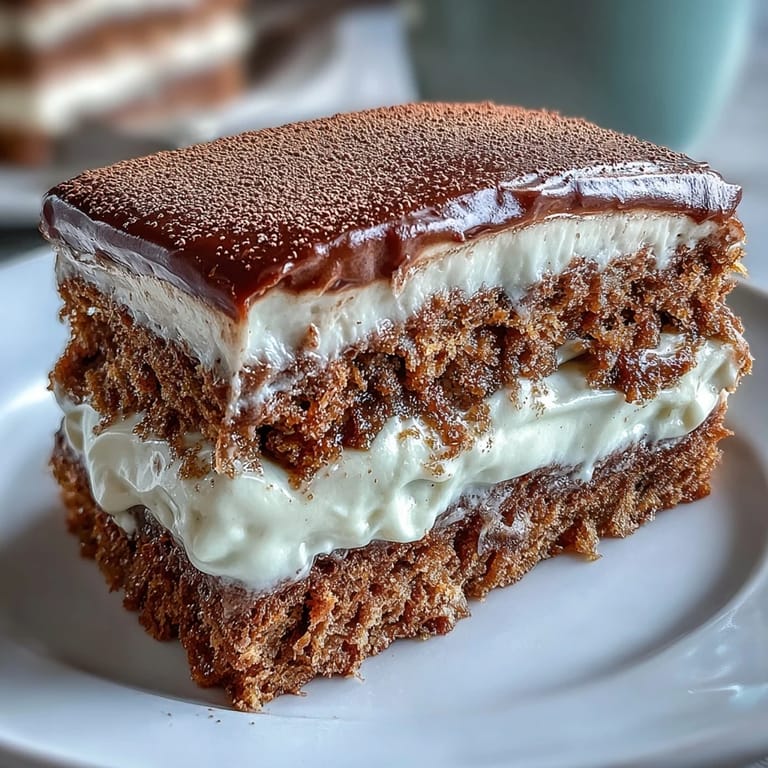
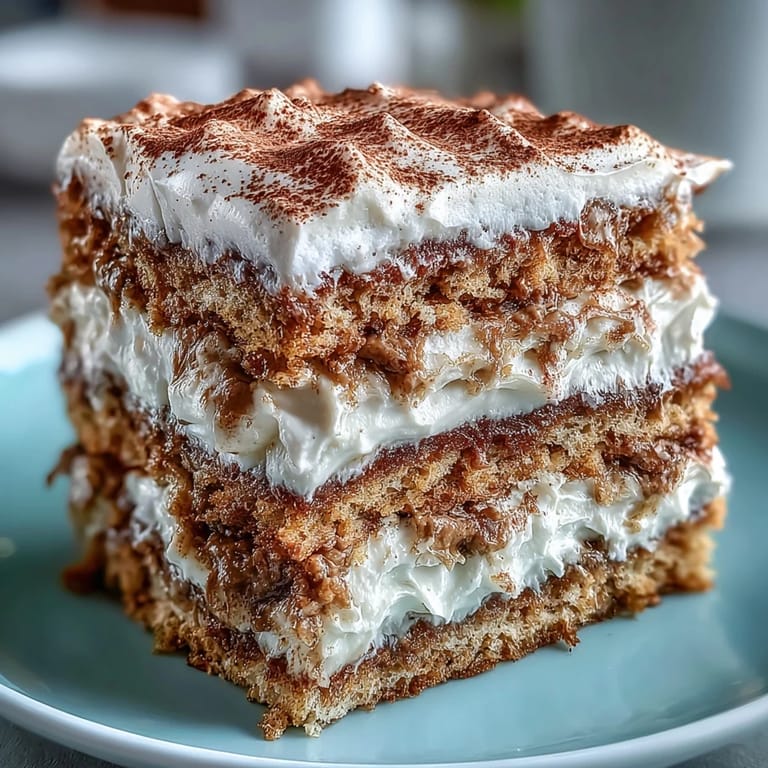
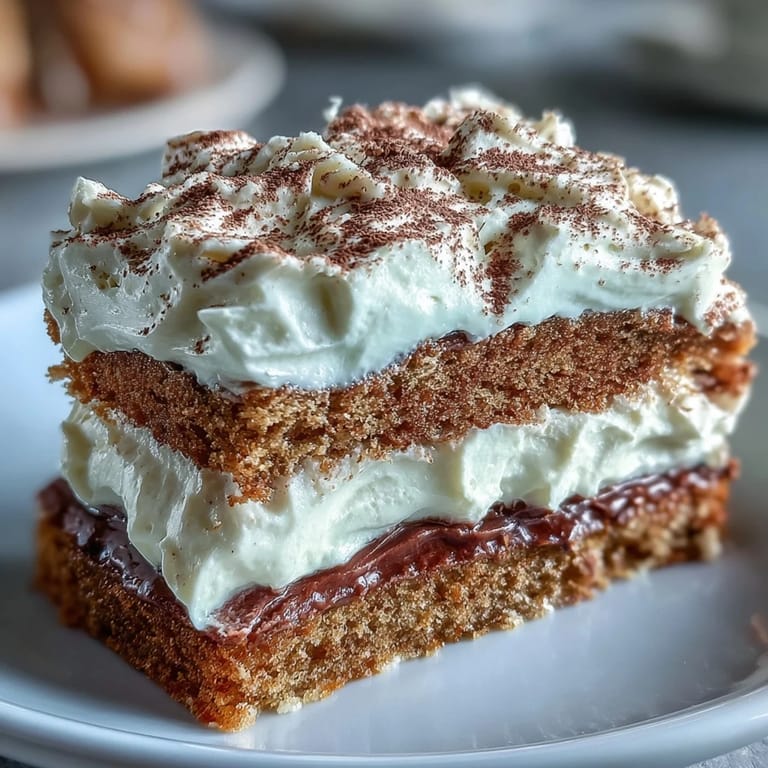
- Once the cake is completely cool, use a serrated knife to slice it horizontally into two or three layers, wiping your knife with a damp cloth between cuts. Spread hojicha whipped cream generously between each layer and over the top, and if you like, dust the surface with extra hojicha powder for a whisper of visual drama.
- Chill before serving:
- Refrigerate the assembled cake for at least 30 minutes before serving so the cream sets and the layers bind together, making clean slices possible. This also gives the flavors time to meld and the cake to firm up enough to photograph beautifully.
 Save to Pinterest
 There's a moment when you pull this cake from the oven and the entire kitchen smells like toasted tea and butter, and you realize that something as simple as patience and technique can transform a handful of everyday ingredients into something that feels genuinely special. That's when this cake stops being a recipe and becomes a small act of care you're giving yourself or someone else.
Why Hojicha Is Worth the Hunt
Hojicha is green tea that's been roasted at high temperatures, which removes the grassiness and creates flavors that are earthy, warm, and slightly sweet—almost like the difference between raw almonds and roasted ones. Once you taste it in a cake, you understand why it's become increasingly popular in pastry shops across Japan and beyond; it's sophisticated enough for a dinner party but approachable enough that even people who don't drink tea will enjoy it. The roasting process also makes it less caffeinated than regular green tea, so you can serve this cake after dinner without anyone's eyes popping open at midnight.
The Genoise Technique Explained
A genoise sponge is different from most cakes because it contains no chemical leavening like baking powder or baking soda—instead, it relies entirely on incorporating air into whipped eggs, which expand during baking and create that characteristic light, bouncy crumb. The warming step at the beginning isn't just about dissolving the sugar; it actually makes the proteins in the eggs more willing to hold onto air when you whisk, which is why this extra step exists in nearly every traditional genoise recipe. It looks like you're adding a fussy extra step, but it's actually the shortcut to success.
Storage, Variations, and Final Thoughts
This cake will stay fresh and moist in the refrigerator for three days, covered loosely with plastic wrap, though the cream layer may begin to weep slightly after the second day. For a moister cake, you can brush each layer lightly with hojicha tea brewed at double strength, or with a simple syrup infused with hojicha, before adding the cream—this is especially helpful if you're serving it at a room-temperature gathering.
- If you can't find hojicha powder, you can brew strong hojicha tea, reduce it until it's syrupy, cool it, and fold it into the whipped cream instead, adjusting the cream amount slightly.
- Add roasted hazelnuts, chocolate shavings, or a light dusting of matcha powder on top for textural contrast and visual intrigue.
- For a slightly less sweet version, reduce the sugar in the cake to 100 g and you'll notice the hojicha flavor becomes even more pronounced and less cloying.
 Save to Pinterest
 This cake is the kind of recipe that reminds you why baking matters: not because it's complicated, but because it's a quiet conversation between your hands and the ingredients, and the result is something tender enough to move people. Make it once for yourself, and you'll find yourself making it again and again.
Common Recipe Questions
- → What makes hojicha unique in baking?
Hojicha is a roasted Japanese green tea with a distinctive reddish-brown color and naturally sweet, earthy flavor profile. The roasting process reduces bitterness and creates subtle smoky notes that pair beautifully with dairy and vanilla in desserts.
- → Can I substitute hojicha powder with matcha?
While matcha can be used as a substitute, the flavor profile will be quite different. Matcha is more vegetal and grassy, while hojicha offers a nutty, caramel-like taste. The color will also be vibrant green instead of the warm brown tones characteristic of hojicha.
- → Why is the genoise method used for this sponge?
The genoise technique creates an exceptionally light and airy texture by incorporating air into warm eggs and sugar before folding in flour. This method yields a delicate sponge that perfectly complements the creamy hojicha filling without becoming dense or heavy.
- → How should I store this cake?
Store in an airtight container in the refrigerator for up to 3 days. The cream filling requires refrigeration, but bring slices to room temperature for 15 minutes before serving to enjoy the optimal texture and flavor.
- → Can I make this cake in advance?
Yes, bake the sponge layers up to 2 days ahead and wrap tightly in plastic at room temperature. Assemble with whipped cream the day of serving for the freshest taste and texture. The assembled cake also tastes better after chilling for several hours.
- → What can I use if I don't have cake flour?
For every cup of all-purpose flour, remove 2 tablespoons and replace with 2 tablespoons of cornstarch. Sift the mixture several times to aerate and combine before using in your sponge.