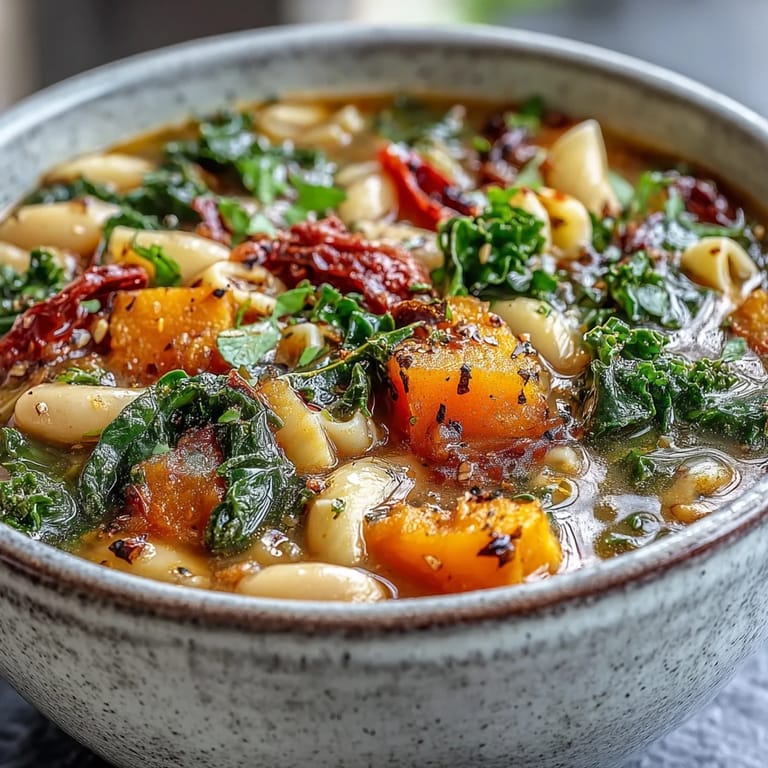
 Save to Pinterest
 There's something about the smell of sautéed onions and celery that instantly pulls me back to my grandmother's kitchen on a grey afternoon in November. She'd be standing at the stove with the radio playing softly, layering vegetables into a pot with the kind of unhurried confidence that only comes from making soup a thousand times. I spent years watching her hands move through the motions before I understood that minestrone wasn't really a recipe—it was a conversation between you and whatever the season had to offer. This version brings together that same philosophy with butternut squash, kale, and warm spices that make your whole house smell like comfort.
I made this soup for a friend who'd just moved into a new place with a kitchen barely bigger than a closet. She sat at her tiny table cradling the bowl like it was the first real meal she'd cooked for herself in weeks, and something about that moment—the steam rising up, the quiet gratitude—reminded me why I keep coming back to soups like this one. They do more than fill your stomach; they feel like you're taking care of someone, even when that someone is just yourself on a cold day.
Ingredients
- Olive oil: The foundation—use good quality oil because you'll taste it in the first sip, especially when you're building flavor from the ground up.
- Yellow onion, carrots, and celery: This trio is the backbone of every Italian soup I know; don't skip the initial sauté because that's where the sweetness develops.
- Garlic cloves: Three cloves gives you presence without overpowering, and you'll know they're ready when the kitchen smells like a Italian restaurant.
- Butternut squash: Peeled and cubed, it breaks down slightly during cooking and gives the broth a subtle richness that tastes like autumn in a bowl.
- Zucchini: It stays tender even with longer cooking, and its mild flavor won't fight with the other vegetables.
- Canned diced tomatoes: Don't feel guilty using canned; they're actually more consistent than fresh ones in winter, and that slight acidity brightens the whole pot.
- Kale: The stems are bitter, so pull those out and save just the leafy parts, which will wilt into tender, nutrient-dense pockets throughout the soup.
- Cannellini beans: Creamy white beans that soften further during cooking and add protein without any effort on your part.
- Small pasta: Ditalini or elbow macaroni works because they're small enough to scoop up easily and cook through in the final minutes.
- Vegetable broth: Use homemade if you have it, but good quality store-bought is honest work and lets you focus on the other flavors.
- Bay leaf, oregano, thyme, and rosemary: These dried herbs are your seasoning scaffold; they blend together so seamlessly you won't taste any one of them screaming.
Tired of Takeout? 🥡
Get 10 meals you can make faster than delivery arrives. Seriously.
One email. No spam. Unsubscribe anytime.
Instructions
- Start with the foundation:
- Heat olive oil in a large pot over medium heat, then add diced onion, carrots, and celery. Let them sauté for about 5 minutes until they soften and the onion becomes translucent. You're building flavor here, not rushing.
- Bring in the garlic:
- Stir in your minced garlic and cook for just 1 minute until fragrant—this is where the kitchen truly comes alive with that warm, welcoming smell. Don't let it brown or it'll taste bitter.
- Add the autumn vegetables:
- Toss in your butternut squash cubes and zucchini, stirring occasionally for about 5 minutes. The squash will start to look a little softer at the edges, which is exactly what you want.
- Build the broth:
- Pour in your diced tomatoes, vegetable broth, and all the dried herbs along with the bay leaf. Give everything a good stir and bring it to a boil, then immediately turn the heat down to a gentle simmer.
- Let the squash become tender:
- Cover the pot and let it simmer for about 15 minutes. The butternut squash should be soft enough to break apart with a wooden spoon but not so soft that it dissolves. This is the moment you can step away and finish whatever else needs doing.
- Finish with beans, pasta, and greens:
- Add your drained cannellini beans, the uncooked pasta, and the chopped kale all at once. Leave the pot uncovered and simmer for 10 to 12 minutes until the pasta is tender and the kale has wilted down into dark, tender strips.
- Taste and season:
- Remove the bay leaf and taste the soup. Add salt and pepper gradually, tasting as you go because the broth will have developed its own subtle saltiness. You're looking for balance, not heaviness.
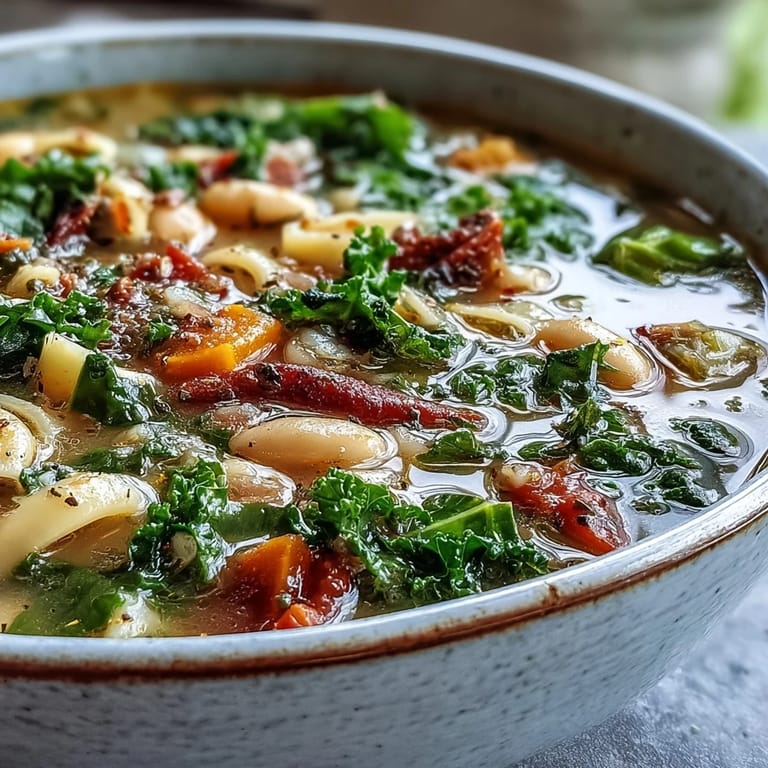 Save to Pinterest
 One winter evening I made this soup for myself during one of those days when everything felt too heavy, and I remember sitting with a bowl in my lap, spoon in hand, watching the steam curl up and thinking about how food can be medicine without trying to be. That's what this minestrone does—it meets you where you are and gently reminds you that taking care of yourself matters.
The Magic of Layering
Every ingredient enters the pot at a different moment, and that timing is what separates a soup that tastes like Sunday dinner from one that tastes like you just boiled everything together. The onions, carrots, and celery get a head start so their sugars can caramelize slightly and build depth. Garlic joins them for just a breath before it can burn. The squash and zucchini join while there's still room for them to soften without falling apart. This isn't complicated orchestration—it's just respecting the fact that different vegetables need different amounts of time to become their best selves.
When You're Cooking for Someone Else
There's a particular warmth that comes from ladling soup into someone else's bowl, watching them wrap their hands around it, and knowing you made something that will warm them from the inside. I've learned that you can't rush this soup or make it feel hurried—it needs the time to develop, and it needs you to be present with it. If you're cooking it for someone going through a rough time, don't apologize for its simplicity; lean into it.
Variations and Why They Work
This soup is forgiving in ways that matter. Swap spinach for kale if that's what you have—it wilts even faster and brings a slightly different earthiness. Drop the pasta entirely and add an extra can of beans if gluten is a concern; the soup becomes even heartier. Add a Parmesan rind while the soup simmers if you have one, and pull it out before serving; it dissolves into umami that no one can quite place but everyone can taste. The spirit of minestrone is flexibility—you're respecting the core while honoring what your kitchen has to give.
- A splash of vinegar at the end brightens everything and makes you taste the vegetables more clearly.
- Serve it with good crusty bread because minestrone is meant to be mopped up and savored, not rushed.
- Leftovers taste even better the next day when all the flavors have melded together overnight in the refrigerator.
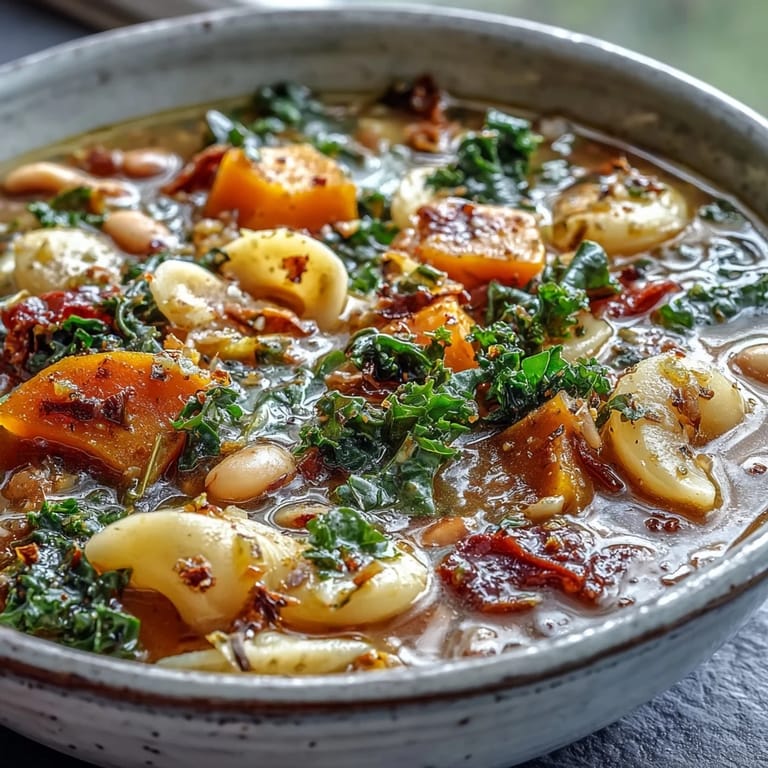 Save to Pinterest
 This minestrone soup is the kind of cooking that asks nothing of you but presence and honesty. Serve it in bowls with fresh parsley, grated Parmesan if you like, and the knowledge that you've made something real.
Common Recipe Questions
- → Can I make this soup ahead of time?
Absolutely! This soup actually tastes better the next day as flavors develop. Store in the refrigerator for up to 4 days. Add pasta when reheating to prevent it from becoming too soft.
- → What pasta works best in minestrone?
Small pasta shapes like ditalini, elbow macaroni, or small shells work beautifully. They're the perfect size for spoonfuls and hold up well in the broth.
- → Can I freeze winter minestrone?
Yes! Freeze without the pasta for best results. When ready to serve, thaw and reheat, then add fresh pasta. This prevents the pasta from becoming mushy during freezing.
- → How do I make this gluten-free?
Simply use gluten-free pasta or substitute with additional beans or rice. Always check your vegetable broth and spices to ensure they're certified gluten-free.
- → What can I substitute for butternut squash?
Sweet potatoes, pumpkin, or acorn squash work well as alternatives. They provide similar sweetness and texture, maintaining the soup's hearty character.
- → Is minestrone better with Parmesan rind?
Adding a Parmesan rind during simmering deeply enriches the broth with savory umami flavor. Simply remove it before serving—the results are restaurant-quality.