 Save to Pinterest
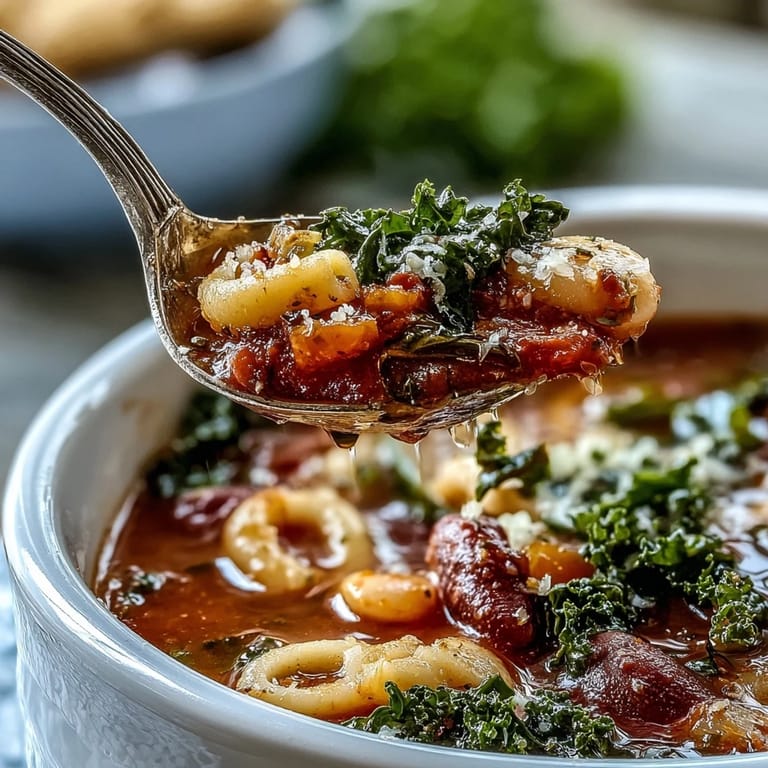
 My kitchen filled with steam one November afternoon while rain tapped against the window, and I realized I'd been craving something warm that didn't feel heavy. A friend had left a butternut squash on my counter weeks before, and suddenly it made sense—paired with kale from the farmers market and beans I always keep stocked, this soup came together like it had been waiting to happen. The smell of sautéing onions mixed with herbs transported me back to my grandmother's kitchen, though this version is entirely my own pace and comfort.
I made this soup for a book club gathering on a freezing January night, and it became the thing people actually talked about instead of the books we were supposed to discuss. One friend asked for the recipe three times before I finally texted it to her at midnight, laughing at how seriously she was taking notes while we all sat there with steaming bowls. That's when I knew this wasn't just comfort food—it was the kind of dish that makes people want to go home and cook something real.
Ingredients
- Olive oil: Use a good quality oil you actually like tasting, because it builds the flavor foundation—cheap oil tastes cheap.
- Yellow onion, carrots, and celery: This trio (called soffritto in Italian cooking) is where all the depth comes from; don't rush the sautéing.
- Garlic cloves: Mince them by hand if you have time—the smell alone is worth it, and you control the size better.
- Butternut squash: Buy one that feels heavy for its size; the heavier ones are sweeter and less stringy.
- Zucchini: Medium-sized ones have fewer seeds and better texture than the giant ones.
- Fresh kale: Lacinato kale has better flavor than curly, but either works if you remove those tough stems.
- Canned diced tomatoes: San Marzano varieties are noticeably sweeter if you can find them.
- Cannellini beans: Drain and rinse them thoroughly to remove the starchy liquid that makes soup cloudy.
- Small pasta: Ditalini is traditional, but I've used broken spaghetti and tiny shells with equal success.
- Vegetable broth: Homemade is ideal, but quality store-bought matters more than the quantity.
- Oregano, thyme, and rosemary: Dried herbs are actually better here than fresh because the long simmer releases their oils beautifully.
- Red pepper flakes: Optional, but a pinch adds a whisper of heat that makes you taste everything else more vividly.
- Fresh parsley: Stir this in at the end so it stays bright and doesn't turn into herb sadness.
- Parmesan cheese: A good block you shave yourself tastes completely different from pre-grated.
Tired of Takeout? 🥡
Get 10 meals you can make faster than delivery arrives. Seriously.
One email. No spam. Unsubscribe anytime.
Instructions
- Start with the base:
- Heat your olive oil in a large pot over medium heat and add the diced onion, carrots, and celery. Sauté for 5 to 6 minutes, stirring occasionally, until the vegetables soften and the onion turns translucent—you'll know it's ready when the kitchen smells like home.
- Build the flavor:
- Add your minced garlic and cook for about 1 minute, just until fragrant, stirring constantly so it doesn't brown and turn bitter. This brief moment sets the tone for everything that follows.
- Add the squash and zucchini:
- Toss in your diced butternut squash and zucchini, stirring occasionally for 4 to 5 minutes. The vegetables will start to release their moisture and mingle with the aromatics underneath.
- Pour in the liquid and tomatoes:
- Add the canned tomatoes with their juices, the vegetable broth, and water, then increase the heat to bring everything to a boil. You'll notice the kitchen fills with this bright, tomatoey steam that makes you feel like you're cooking something intentional.
- Season and simmer:
- Stir in the oregano, thyme, rosemary, and red pepper flakes if you're using them, then reduce the heat to medium-low and let it simmer uncovered for 15 minutes. The squash will soften and start to break down slightly, thickening the broth naturally.
- Add the beans and pasta:
- Stir in the drained cannellini beans and pasta, then simmer for another 8 to 10 minutes until the pasta is tender and the squash is fully cooked. Taste as you go—the pasta will continue absorbing broth even after the heat is off.
- Finish with the kale:
- Add the fresh kale and cook for 2 to 3 minutes until it wilts into the soup, turning a deeper green. Adjust the seasoning with salt and pepper, tasting carefully because everyone's broth is different.
- Final touch:
- Stir in the fresh parsley and remove from heat. The brightness of the parsley against the deep, warm soup is the moment everything comes together.
 Save to Pinterest
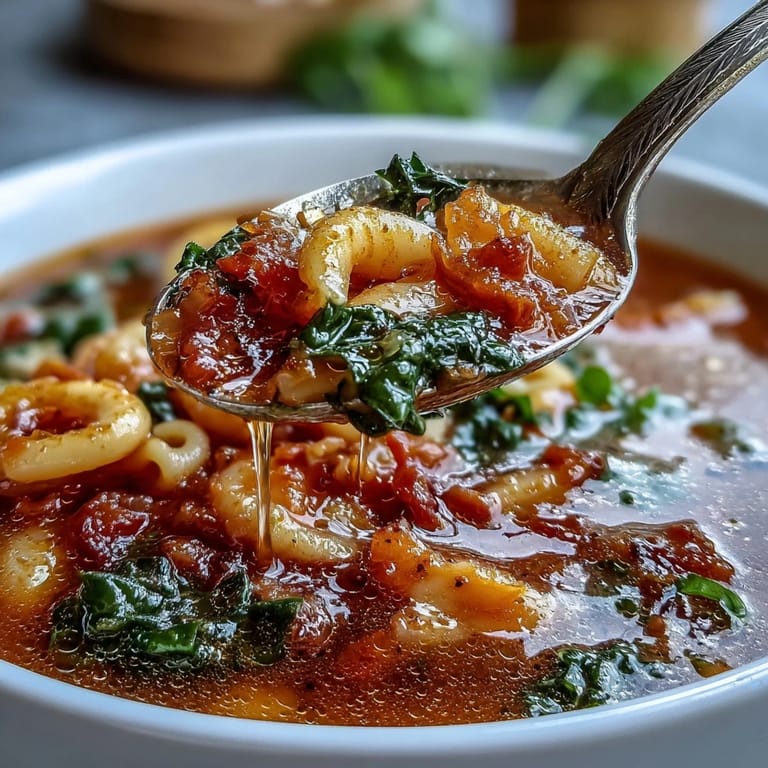
 I served this soup to my neighbor who'd just come home from the hospital, and watching her eat slowly, quietly, with that focused contentment people have when they're tasting something that feels like healing—that's when I understood the real purpose of this recipe. It's the kind of food that sits with you, warms you from the inside out, and somehow makes the world feel a little less uncertain for a while.
Why Butternut Squash Matters Here
The squash isn't just decoration or texture—it's doing something essential that most vegetable soups overlook. As it simmers, it releases natural sugars that round out the acidity of the tomatoes and create this subtle sweetness that makes you want another spoonful before you've finished the first. I learned this accidentally when I once tried making the soup without squash, thinking I'd speed things up, and the result was so flat and one-dimensional that I've never skipped it since. The squash also breaks down slightly, naturally thickening the broth without any cream or starch, which means the texture feels luxurious but stays light.
The Herb Combination Secret
Most people expect minestrone to taste like a single herb, but this version uses three dried herbs that work together like a quiet conversation. The oregano gives you that Italian identity, the thyme adds an almost peppery depth, and the rosemary brings a subtle woodsy note that keeps everything from tasting too sweet or too one-note. I used to be skeptical about dried herbs because fresh always seemed fancier, but I discovered that long simmering actually develops dried herbs in ways that fresh herbs can't handle—they dissolve into the broth and disappear, leaving only their best flavors behind.
Scaling and Storage Wisdom
This soup actually improves on the second day once the flavors have settled and deepened, which makes it perfect for batch cooking or meal prep. I learned to store it in glass containers because the tomato and squash tend to stain plastic, and honestly it just feels better this way. If you're freezing it, go ahead and cook everything except the pasta and kale, then add those fresh elements when you reheat—this prevents the pasta from turning to glue and lets the kale stay bright and recognizable.
- Refrigerate for up to 5 days in airtight containers, or freeze for up to 3 months.
- Reheat gently over medium heat rather than blasting it on high, so the delicate vegetables don't fall apart.
- Add a splash of fresh broth or water when reheating to refresh the texture, since pasta continues to absorb liquid even in the cold.
 Save to Pinterest
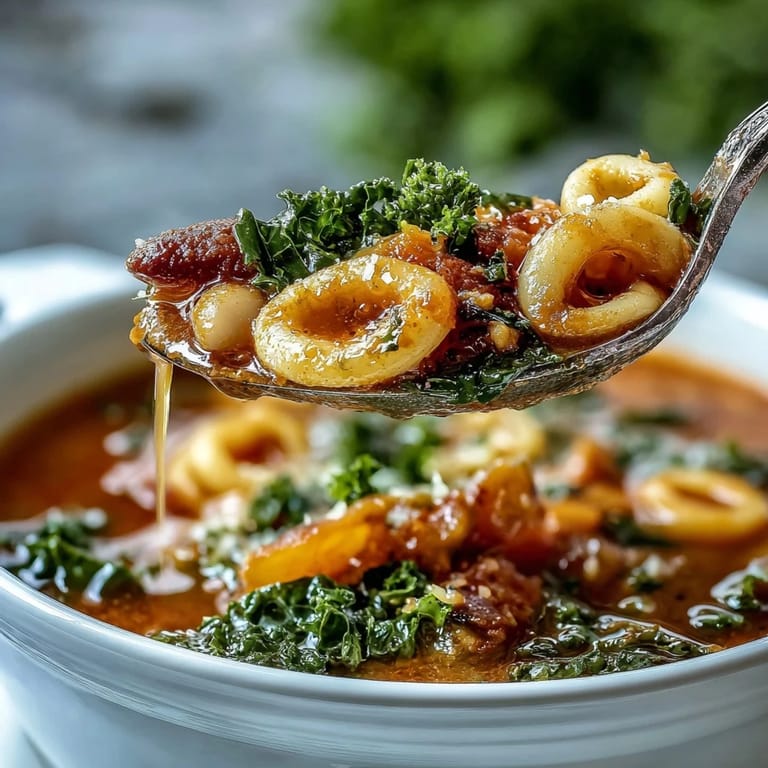
 This soup has a way of becoming a regular thing in your rotation, the kind of meal that shows up when you need it most without ever feeling boring. It's proof that simple ingredients, when treated with a little attention and patience, transform into something that feels like genuine care in a bowl.
Common Recipe Questions
- → Can I make this soup ahead of time?
Absolutely. This soup actually tastes better the next day as flavors have time to develop. Store in an airtight container in the refrigerator for up to 4 days.
- → How do I prevent the pasta from getting mushy?
Cook the pasta separately and add it to individual bowls when serving. Alternatively, slightly undercook the pasta in the soup since it will continue absorbing liquid.
- → What vegetables can I substitute?
Feel free to swap butternut squash for sweet potatoes or acorn squash. Spinach works well instead of kale. Add green beans, peas, or bell peppers for extra variety.
- → Can I freeze this minestrone?
Yes, freeze without the pasta for best results. Thaw overnight in the refrigerator, reheat on the stove, and add freshly cooked pasta when serving.
- → How do I make it gluten-free?
Simply substitute the regular pasta with your favorite gluten-free pasta variety. Check that all other ingredients, especially broth and seasonings, are certified gluten-free.