 Save to Pinterest
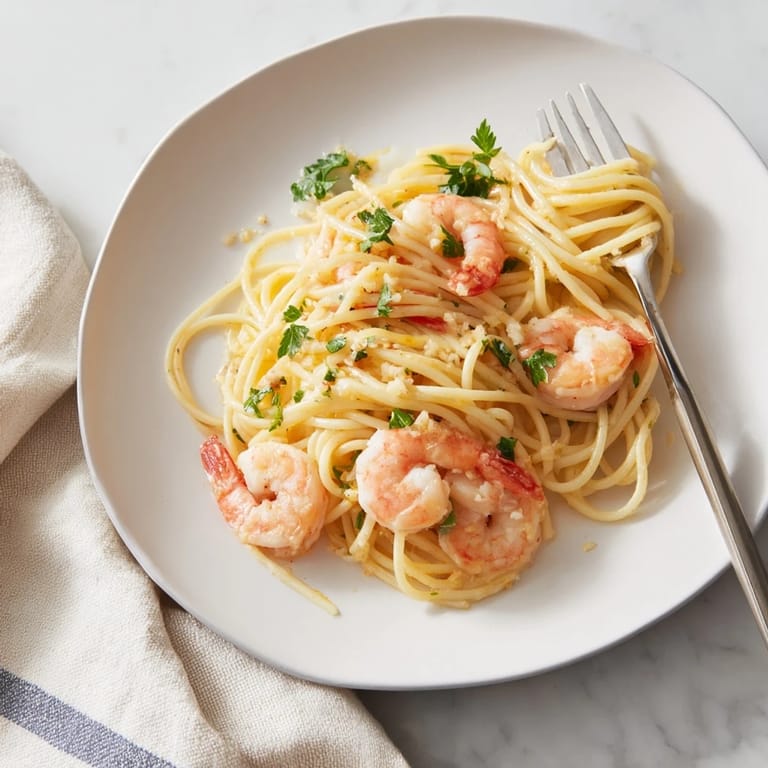
 My neighbor knocked on my door one Tuesday evening holding a bag of shrimp from the fish market, asking if I knew what to do with them. I grabbed lemons from my counter, garlic from the basket, and we stood side by side at the stove figuring it out together. The kitchen filled with buttery citrus steam, and by the time we twirled the first forkful of pasta, we both knew this would become a regular weeknight staple. Sometimes the best recipes happen when you're not trying too hard.
I made this for my parents the night before they left from visiting, and my dad scraped his plate clean then asked if there was more in the pan. My mom laughed because he never does that. We sat at the table longer than usual that night, talking and pouring more wine, and the pasta became the excuse to linger. It reminded me that good food doesn't need to be complicated to make people feel cared for.
Ingredients
- Large shrimp (450 g): Look for shrimp that smell like the ocean, not fishy, and pat them completely dry before cooking so they sear instead of steam.
- Spaghetti (340 g): Any long pasta works, but spaghetti holds the sauce in every twirl and cooks consistently in about 10 minutes.
- Unsalted butter (60 g): This creates the silky base of the sauce and lets you control the salt level perfectly.
- Extra-virgin olive oil (2 tbsp): Mixing it with butter prevents burning and adds a fruity depth that balances the richness.
- Garlic cloves (4, minced): Fresh garlic is non-negotiable here, it blooms in the butter and becomes sweet and fragrant, not sharp.
- Lemon zest and juice (1 large lemon): Zest first before juicing, and the combination gives you brightness and acidity that cuts through the butter.
- Dry white wine (60 ml, optional): A splash adds complexity and helps deglaze the pan, but chicken broth works if you skip alcohol.
- Crushed red pepper flakes (1/4 tsp): Just enough warmth to wake up your palate without making it spicy.
- Salt and black pepper: Season in layers, tasting as you go, because the pasta water and Parmesan add saltiness too.
- Fresh parsley (2 tbsp, chopped): This isn't just garnish, it adds a fresh herbal note that makes the whole dish feel alive.
- Parmesan cheese (optional): A little grated on top adds nutty, salty richness, though the dish is complete without it.
- Lemon wedges: Serving them on the side lets everyone add an extra squeeze of brightness to their own plate.
Tired of Takeout? 🥡
Get 10 meals you can make faster than delivery arrives. Seriously.
One email. No spam. Unsubscribe anytime.
Instructions
- Boil the pasta:
- Bring a large pot of salted water to a rolling boil and cook the spaghetti until al dente, usually about 9 minutes. Before draining, scoop out half a cup of that starchy pasta water because it will help the sauce cling beautifully later.
- Prep the shrimp:
- While the pasta bubbles away, pat the shrimp completely dry with paper towels and sprinkle them lightly with salt and pepper. Dry shrimp sear and caramelize instead of steaming in their own moisture.
- Sear the shrimp:
- Heat a large skillet over medium-high with a tablespoon each of olive oil and butter, then lay the shrimp in a single layer without crowding. Cook for about a minute or two per side until they turn pink and opaque, then transfer them to a plate.
- Build the garlic base:
- Lower the heat to medium and add the remaining oil and butter to the same skillet. Toss in the minced garlic and stir constantly for about a minute until it smells toasty and golden, not brown.
- Create the lemon sauce:
- Stir in the lemon zest, lemon juice, white wine if using, and red pepper flakes, letting everything simmer together for 2 to 3 minutes. The liquid will reduce slightly and the flavors will concentrate into something tangy and bright.
- Reunite the shrimp:
- Slide the cooked shrimp back into the skillet along with any juices that pooled on the plate. Toss them gently in the sauce so every piece gets coated.
- Toss with pasta:
- Add the drained spaghetti directly into the skillet and use tongs to toss everything together, adding splashes of reserved pasta water as needed. The starch in that water turns the sauce silky and helps it cling to every strand.
- Adjust seasoning:
- Taste a strand of pasta and adjust with more salt or black pepper as needed. This is your moment to make it exactly how you like it.
- Finish and serve:
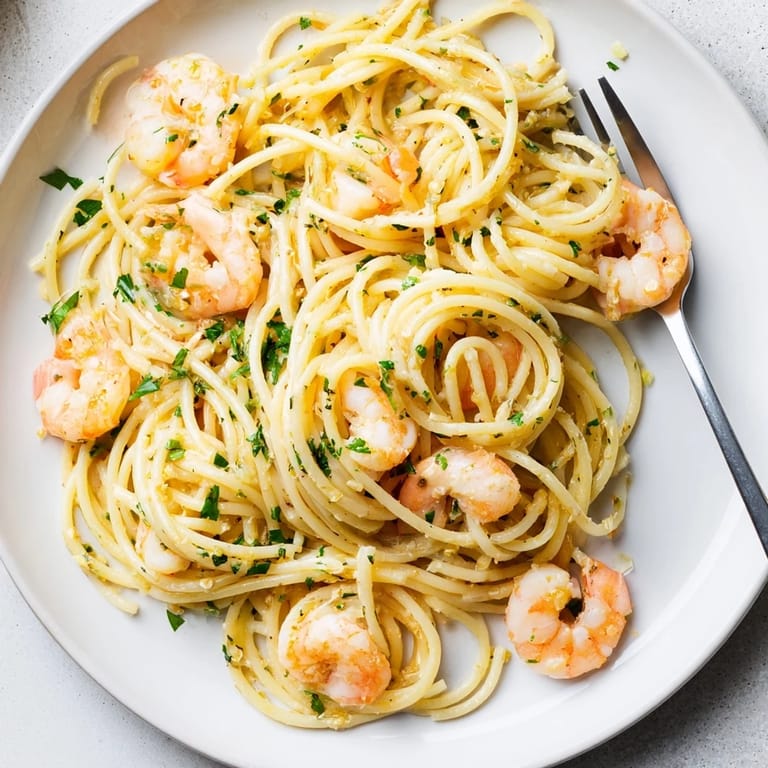
- Pull the skillet off the heat, sprinkle with fresh parsley and Parmesan if you want, and serve immediately with lemon wedges on the side. The pasta is best when it's hot and the sauce is still glossy.
 Save to Pinterest
 One summer night I served this on the back porch with candles and cheap wine, and my friend said it tasted like vacation. We ate slowly, talking and laughing, and I realized this dish has a way of making ordinary evenings feel special. It's become my go-to when I want to remind myself that joy can be as simple as good pasta and good company.
Making It Your Own
This recipe is forgiving and loves improvisation. I've tossed in handfuls of baby spinach at the end and watched it wilt into the pasta, adding color and a slight earthiness. Cherry tomatoes, halved and warmed through in the sauce, burst into sweet little pockets of juice that mix with the lemon butter. If you want more substance, a handful of white beans or chickpeas makes it heartier without losing the bright, fresh feeling.
What to Serve Alongside
I usually keep it simple with a green salad dressed in olive oil and vinegar, maybe some crusty bread to soak up the extra sauce. A crisp Sauvignon Blanc or Pinot Grigio is perfect if you're pouring wine, but sparkling water with a lemon slice feels just as celebratory. The dish is rich enough that you don't need much else, just something light and crunchy to balance the buttery pasta.
Storing and Reheating
Leftovers keep in the fridge for up to two days, though the pasta will soak up some of the sauce as it sits. When reheating, add a splash of water or broth to a skillet over low heat and toss gently until warmed through. The shrimp won't be quite as tender as when freshly cooked, but it still tastes good.
- Don't microwave it, the shrimp get rubbery and the pasta dries out.
- If you know you'll have leftovers, slightly undercook the pasta so it doesn't turn mushy when reheated.
- Store the lemon wedges separately and add a fresh squeeze when serving again.
 Save to Pinterest
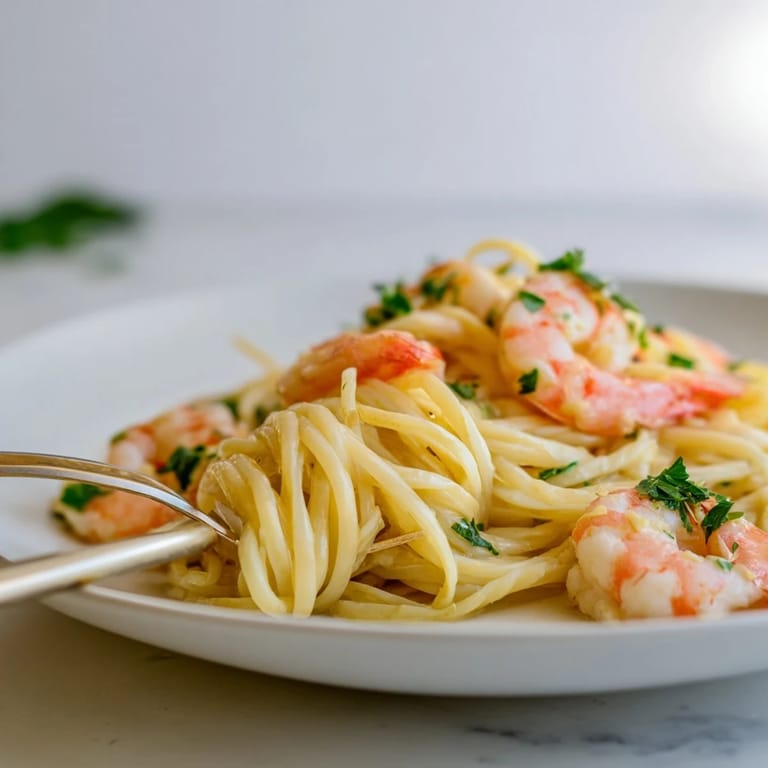
 This pasta has saved me on busy weeknights and impressed guests on special ones, and I hope it does the same for you. It's proof that a handful of good ingredients and a little attention can turn into something you'll want to make again and again.
Common Recipe Questions
- → How do I keep the shrimp from becoming rubbery?
Pat the shrimp dry before cooking and cook them in a hot skillet for just 1–2 minutes per side until they turn pink and opaque. Overcooked shrimp becomes tough, so watch them carefully and remove them promptly. You can always return them to the pan briefly when tossing with the pasta.
- → Can I make this dish ahead of time?
This pasta is best served immediately after cooking. However, you can prepare the components separately: cook the pasta and shrimp in advance, then reheat gently and combine them with the sauce just before serving. Add reserved pasta water to restore the silky sauce consistency.
- → What should I use if I don't have white wine?
Substitute white wine with chicken or vegetable broth in equal amounts, or simply omit it and add a splash of extra lemon juice for acidity. The sauce will still be delicious and the broth adds savory depth while maintaining the bright flavor profile.
- → How do I achieve a silky sauce?
The key is using reserved pasta water, which contains starch that emulsifies with the butter and olive oil to create a glossy coating. Start with a small amount and add more gradually while tossing to reach your desired consistency. The sauce should coat the pasta without being watery.
- → Can I substitute the spaghetti with other pasta shapes?
Absolutely. Linguine, fettuccine, or even short shapes like penne work wonderfully with this sauce. Choose pasta that allows the buttery lemon sauce to cling well. Cook any pasta to al dente for the best texture and sauce adherence.
- → Is this dish suitable for dietary restrictions?
This dish contains shellfish, dairy, and gluten. For dairy-free, substitute butter with olive oil and skip the Parmesan. Use certified gluten-free pasta for a gluten-free version. For pescatarian diets, it's naturally compliant. Always check packaged ingredient labels for potential allergens.