 Save to Pinterest
 There's something almost meditative about the way teriyaki chicken comes together on a weeknight—the kitchen fills with this warm, umami-rich steam, and suddenly you're transported somewhere between a bustling ramen shop and your own quiet dinner table. I discovered this particular version while experimenting with meal prep on a rainy Thursday, when I had chicken thighs on hand and a half-empty bottle of mirin staring at me from the pantry. What started as a simple supper became my go-to formula for feeding myself well without spending hours in the kitchen.
My friend Maya walked in while I was plating this one evening, and she asked why I suddenly smelled like a proper kitchen instead of my usual toast-and-coffee chaos. I realized that moment—her genuine interest, the aromatic proof that I'd finally learned something useful—meant more than the meal itself. Now whenever I make it, I think about how food becomes a way of saying I care without making it awkward.
Ingredients
- Boneless, skinless chicken thighs (600 g): Thighs stay juicy where breasts dry out, and they hold the glaze like they were made for each other.
- Low-sodium soy sauce (80 ml): Low-sodium gives you room to taste everything else without salt overwhelming the dish.
- Mirin (60 ml): This sweet rice wine is the secret that transforms soy sauce from salty to balanced—don't skip it or substitute honey alone.
- Honey or maple syrup (2 tbsp): A touch of natural sweetness that rounds out the umami and glosses the chicken beautifully.
- Rice vinegar (1 tbsp): That bright, subtle acidity keeps the sauce from feeling heavy or cloying.
- Cornstarch (1 tbsp): Just enough to thicken the sauce into a proper glaze that clings rather than pools.
- Water (2 tbsp): Helps the cornstarch dissolve smoothly without lumps.
- Garlic (1 clove, minced): Minced fine so it dissolves into the sauce and adds depth without sharp edges.
- Fresh ginger (1 tsp, grated): Grate it just before mixing so the oils stay bright and the flavor pierces through.
- Jasmine or short-grain rice (250 g): Jasmine absorbs the sauce gently; short-grain rice holds its shape better in containers.
- Water for rice (500 ml): The ratio matters more than you'd think—too much and the rice gets mushy.
- Broccoli florets, carrots, and red bell pepper: Each vegetable brings different textures and sweetness, and the colors make the meal feel complete.
- Toasted sesame seeds and spring onions (optional garnishes): These finish the dish with nuttiness and fresh bite that make it feel intentional.
Tired of Takeout? 🥡
Get 10 meals you can make faster than delivery arrives. Seriously.
One email. No spam. Unsubscribe anytime.
Instructions
- Prepare your rice foundation:
- Rinse the rice under cold running water, stirring gently with your fingers until the water runs almost clear—this removes excess starch so each grain stays separate. Combine rice and water in a saucepan, bring to a boil uncovered, then lower the heat, cover, and let it simmer quietly for 12–15 minutes until the water absorbs completely and the rice turns tender and fluffy.
- Steam your vegetables while rice cooks:
- Bring a pot of water to a gentle boil or set up a steamer basket, then add broccoli, carrots, and bell pepper—they should be bright and just-tender after 3–4 minutes, still with a hint of resistance when you bite them. This timing means they stay crisp in meal-prep containers and don't turn mushy after a day in the fridge.
- Build the teriyaki magic:
- Whisk together soy sauce, mirin, honey, rice vinegar, cornstarch, water, minced garlic, and grated ginger in a small bowl until smooth and well combined. The cornstarch dissolves better when whisked with cold liquid, so don't skip that step or you'll end up with lumps in your glaze.
- Sear the chicken until golden:
- Heat vegetable oil in a large skillet over medium-high heat until it shimmers slightly, then season chicken pieces with a small pinch of salt and pepper. Cook for 5–6 minutes, stirring occasionally, until each piece develops golden-brown edges and the chicken cooks through completely—you'll know it's done when there's no pink inside and the juices run clear.
- Coat the chicken in glossy sauce:
- Pour the teriyaki sauce over the golden chicken and stir constantly for 2–3 minutes as the sauce thickens and turns glossy, clinging to every piece like a lacquer. You'll see it transform from liquid to silky coating, which is your signal that the cornstarch has done its job and the chicken is ready to shine.
- Assemble with intention:
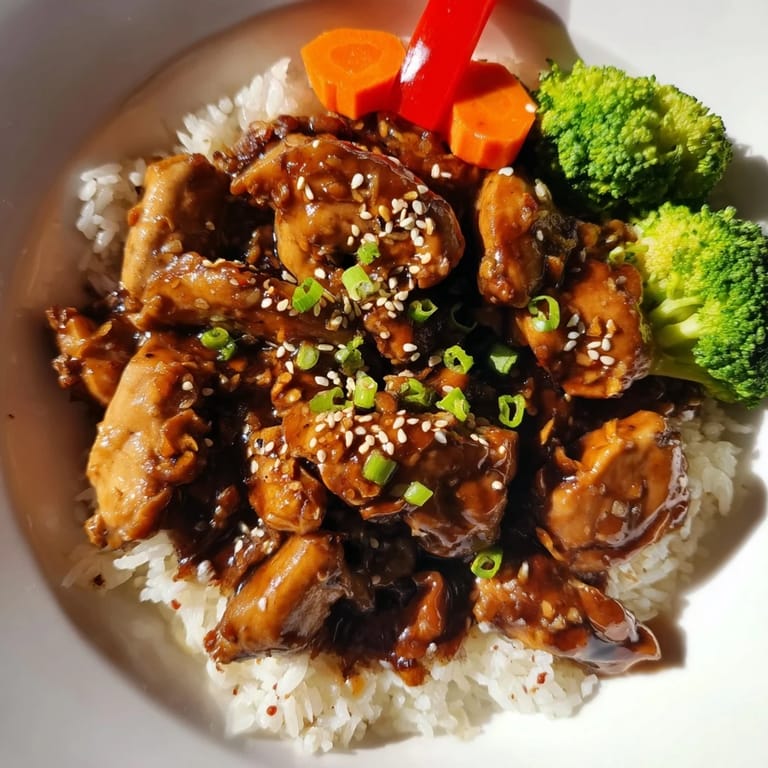
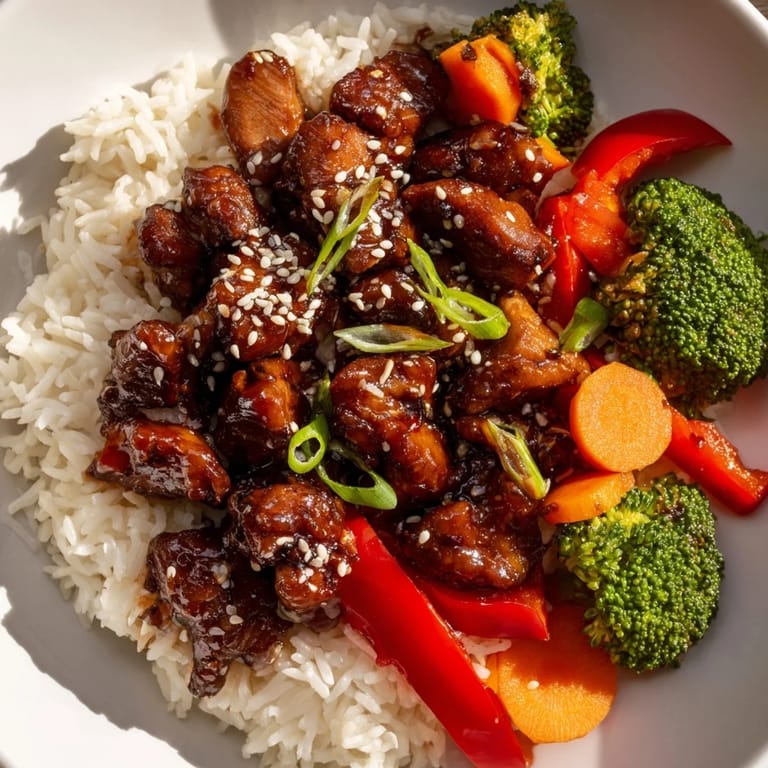
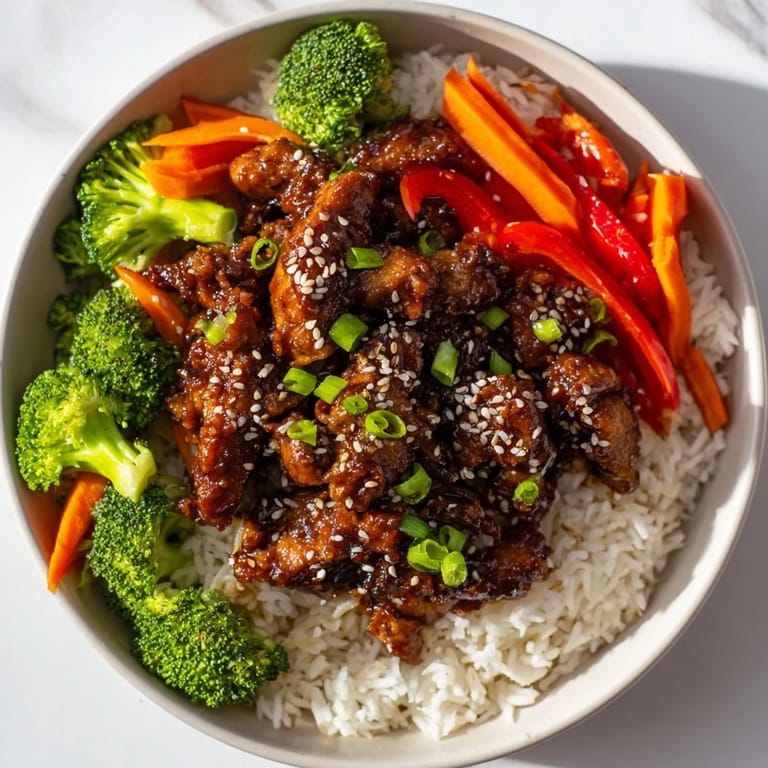
- Divide cooked rice among four meal-prep containers, building a gentle nest for the chicken and vegetables. Layer teriyaki chicken on top, scatter steamed vegetables around it, then finish with toasted sesame seeds and sliced spring onions if you're using them—these garnishes stay fresher on top than mixed in.
- Cool and store for the week ahead:
- Let the containers cool to room temperature on the counter for about 10 minutes before sealing—this prevents condensation that can make the rice soggy. Refrigerate for up to 4 days, and you'll have four mornings where breakfast or lunch feels planned rather than scrambled.
 Save to Pinterest
 One Sunday afternoon, I made this for my family, and my dad asked for the recipe because he wanted to meal-prep it himself during the week. That moment—when food becomes something someone else wants to replicate, to carry forward—felt like a small kind of success that had nothing to do with technique and everything to do with care.
Why Teriyaki Works as Meal Prep
Teriyaki chicken transforms beautifully in the refrigerator instead of wilting or drying out like some dishes do. The glaze actually deepens in flavor over a day or two, so Tuesday's lunch tastes even better than Monday's. The vegetables stay firm enough to enjoy without becoming a soft mush, and the rice absorbs just enough of the sauce's moisture to stay tender without falling apart when you reheat it.
The Small Magic of Mirin
Mirin changed how I think about sweetness in savory cooking. Unlike table sugar or honey, it brings this subtle caramel note that makes you want another bite without knowing exactly why. If you can't find it, a mixture of honey and rice vinegar works, but mirin is worth seeking out in the international aisle—once you taste the difference, you'll understand why it's considered essential in Japanese kitchens.
Variations and Personal Touches
This recipe loves flexibility, which is part of why it became my favorite. Swap chicken thighs for breast meat if you prefer leaner protein, or use extra-firm tofu for a vegetarian version that soaks up the teriyaki like a sponge. Add edamame or snap peas for crunch and extra protein, or drizzle sriracha on top when you're eating it if you want heat. For a gluten-free version, use tamari instead of regular soy sauce and everything else stays exactly the same.
- Consider adding a thin slice of fresh ginger to the rice water for subtle aromatic depth.
- If you have leftover sauce, refrigerate it separately and spoon it over rice and vegetables when reheating.
- Toast your sesame seeds fresh rather than buying pre-toasted—the flavor difference is worth two minutes of your time.
 Save to Pinterest
 This recipe became a quiet anchor in my kitchen routine, the thing I make when I need to feel organized and capable without straining myself. It's food that tastes like you tried, because you did—just not in a way that consumed your whole evening.
Common Recipe Questions
- → What type of chicken is best for this dish?
Boneless, skinless chicken thighs are recommended for their juiciness and flavor, though chicken breast or tofu can be alternatives.
- → Can I make this meal gluten-free?
Yes, substitute regular soy sauce with tamari to avoid gluten while maintaining the savory depth of the sauce.
- → How should I cook the vegetables?
Steam or blanch broccoli, carrots, and bell pepper until just tender to preserve texture and color.
- → What rice works best with this dish?
Jasmine or short-grain rice offers a soft, slightly sticky texture that pairs well with the savory chicken and vegetables.
- → Can I prepare this meal in advance?
Yes, it's perfect for meal prep. Store in airtight containers and refrigerate for up to 4 days.
- → Are there any garnishes recommended?
Toasted sesame seeds and sliced spring onions add subtle crunch and a fresh aroma to finish the dish.