 Save to Pinterest
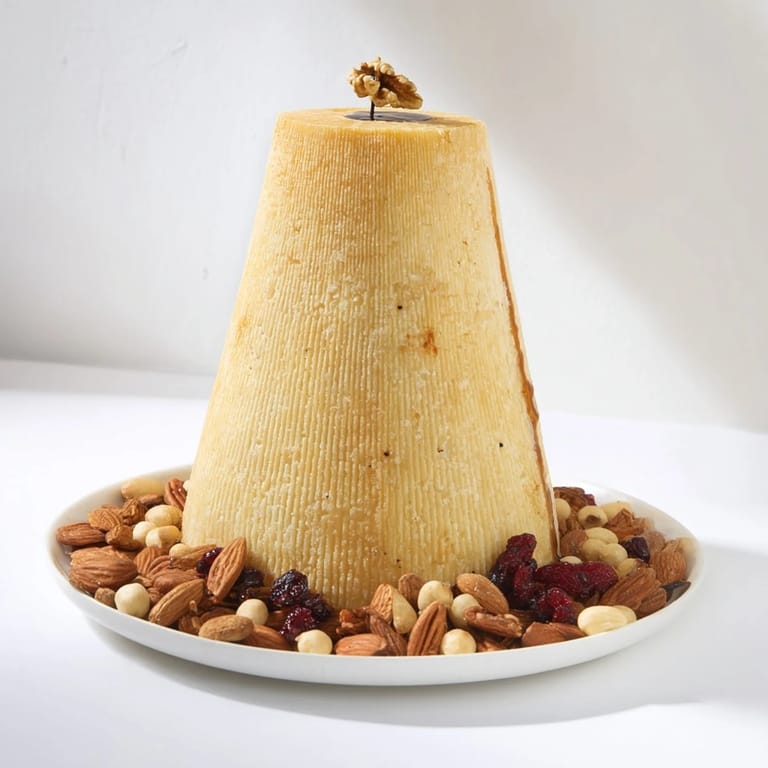
 There's something about arranging food on a plate that makes you feel like an artist instead of a cook. Years ago, I was hosting a dinner party and wanted something that would stop everyone mid-conversation the moment they walked in. I started playing with the idea of turning a cheese board into actual art, and that's when The Sundial was born—a wedge of aged cheese positioned like the pointer of a clock, with its balsamic shadow stretching across the platter. It's become my secret weapon for making people think I spent hours in the kitchen when really, all I needed was 15 minutes and a sense of drama.
I'll never forget the first time I served this to my friend Marco, who's a bit of a food snob. He walked past three other appetizers, stopped dead at the platter, and said nothing for a full ten seconds. Then he grabbed a cocktail pick and started deconstructing my little nut cluster at two o'clock. That silence told me everything I needed to know about whether this idea was worth keeping.
Ingredients
- Aged hard cheese (150g wedge): Look for something with real character—Parmigiano-Reggiano if you want that sharp, crystalline bite, or an aged Gouda if you prefer something mellower and butterier. This is your gnomon, so pick a cheese you genuinely love eating.
- High-quality balsamic glaze (3 tbsp): This is not the time to reach for the cheap stuff. Good balsamic has a syrupy body and a complex sweetness that actually makes the cheese taste better in comparison.
- Roasted almonds (1/3 cup): The mild, nutty anchor that makes everyone happy.
- Roasted walnuts (1/3 cup): Earthy and slightly bitter—they keep things interesting.
- Roasted pecans (1/3 cup): Sweet and buttery, the crowd-pleasers that disappear first.
- Roasted hazelnuts (1/3 cup): A little unexpected, which is exactly why they belong here.
- Dried cranberries (2 tbsp, optional): A pop of color that catches the light and makes people actually see what you've created.
- Fresh grapes, figs, or edible flowers (optional): Only if you want to make it even more impossible to believe you didn't spend three hours on this.
Tired of Takeout? 🥡
Get 10 meals you can make faster than delivery arrives. Seriously.
One email. No spam. Unsubscribe anytime.
Instructions
- Position your sundial center:
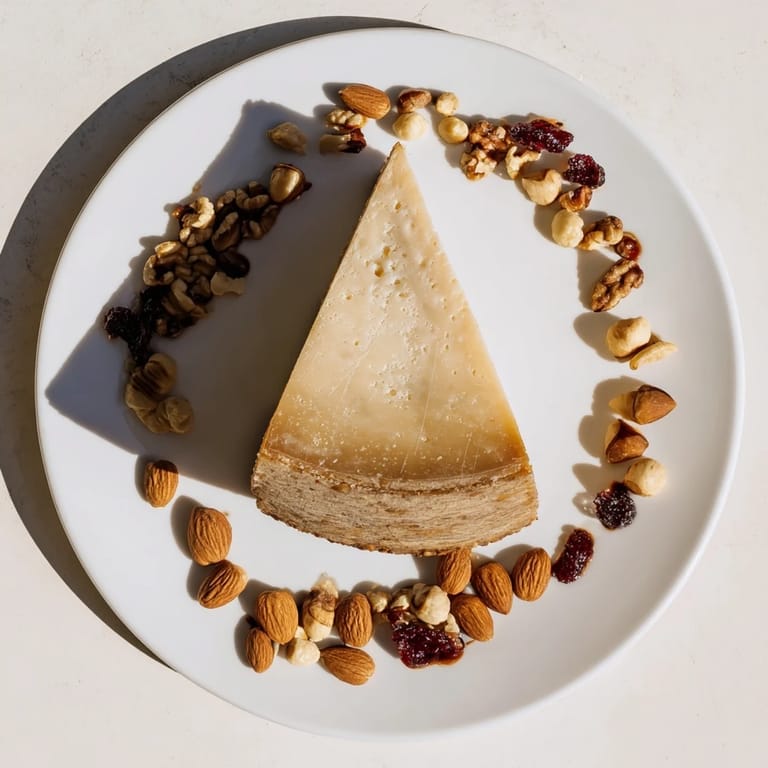
- Place your wedge of cheese upright in the exact center of your round platter, with the pointed end reaching out like it's trying to tell time. This is the moment where your platter goes from blank canvas to something with intention.
- Cast the balsamic shadow:
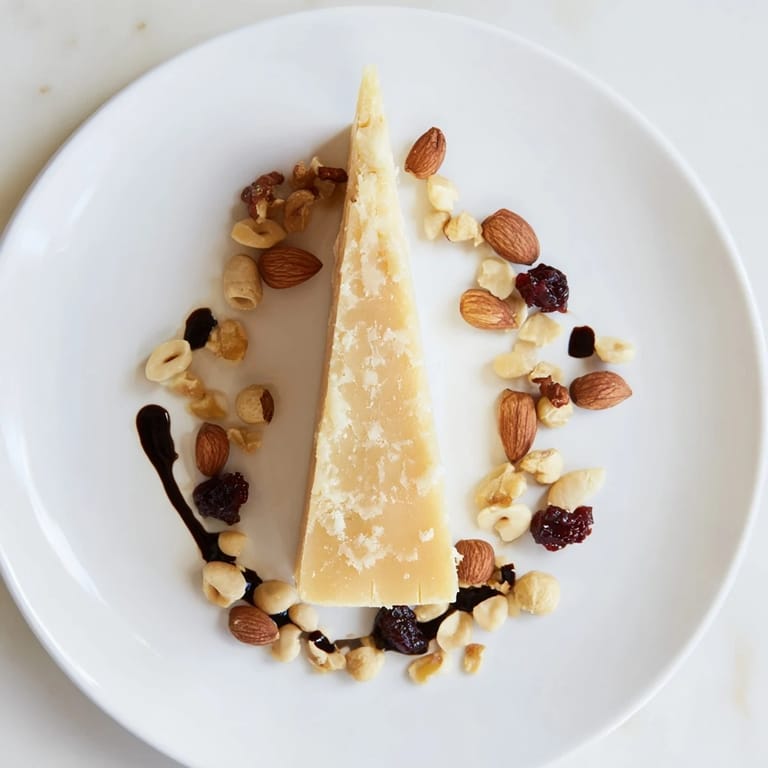
- Using a spoon, trace a thick, deliberate line of balsamic glaze from the cheese point outward across the platter—think of it as the cheese's shadow at a specific moment in the day. Don't worry about perfection; a slight wobble actually looks more authentic.
- Arrange the hours:
- Now comes the meditative part: place your twelve clusters of mixed nuts evenly around the cheese like numbers on a clock face. Mix the nuts in each cluster so no two are identical, and tuck a cranberry or two into some clusters for visual surprise.
- Final touches:
- If you're using grapes, figs, or flowers, scatter them strategically around the platter—fill gaps without overwhelming the geometry. Set out your cocktail picks nearby and step back to admire what you've made.
 Save to Pinterest
 The real magic of this platter happens when people realize it's not just beautiful—it tastes like someone who actually knows what they're doing put it together. That's when it stops being a trick and becomes genuine hospitality.
How to Pair It
I've learned through trial and error that The Sundial needs something bright to drink alongside it. A crisp white wine cuts through the richness of the aged cheese without competing for attention. If you want red, go light—a young Chianti or Pinot Noir won't overshadow the delicate flavors you've arranged so carefully.
Building Your Nut Clusters
The secret to making each cluster look intentional is to mix different textures and shapes together. A few almonds with a walnut, add a pecan, maybe throw a hazelnut on top—the variety is what makes people pause and look closer. I like to arrange them while thinking about the actual flavors I want someone to taste when they pick one up.
Serving and Storage
This platter can sit at room temperature for a good two hours without any real compromise. If you're making it ahead, cover it loosely with plastic wrap and keep it out of direct sunlight. The cheese will actually develop even more character as it sits, and the balsamic deepens beautifully.
- You can prep all your nut clusters in small bowls an hour before and only arrange them on the platter five minutes before guests arrive.
- If a guest asks how long you spent on this, you can honestly say fifteen minutes—and let them be amazed.
- Leftover nuts can be stored in an airtight container and eaten straight from your fingers over the next few days.
 Save to Pinterest
 The Sundial has taught me that the most impressive food often looks complicated but actually just requires one good idea and the confidence to execute it simply. That's something worth remembering every time you're standing in front of an empty platter wondering what to do next.
Common Recipe Questions
- → What type of cheese works best for the sundial?
Aged hard cheeses like Parmigiano-Reggiano, aged Gouda, or Manchego hold their shape well and provide a firm texture perfect for the sundial design.
- → Can I substitute the nuts in the clusters?
Yes, feel free to use a variety of roasted or spiced nuts to add different flavors and textures to the platter.
- → How do I create the sundial shadow effect?
Drizzle a thick line of balsamic glaze extending from the cheese wedge outward, mimicking the shadow cast by a sundial's gnomon.
- → Are there any garnishes recommended?
Fresh grapes, figs, edible flowers, or microgreens provide lovely color accents and enhance the platter's visual appeal.
- → What beverages pair well with this cheese arrangement?
Dry white wines or light Italian reds like Chianti complement the flavors of the cheese and nuts beautifully.