 Save to Pinterest
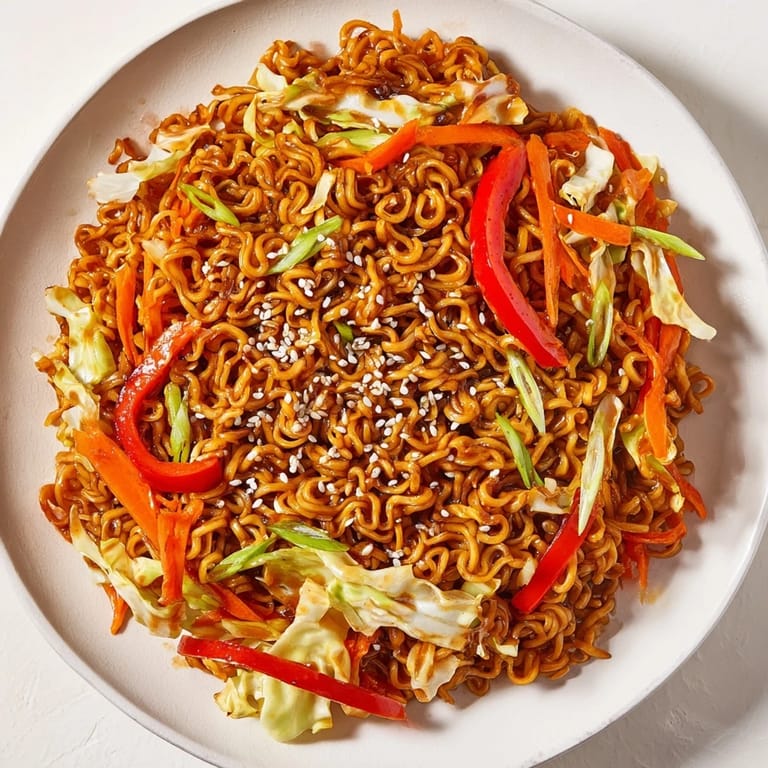
 Last Tuesday, I was doom-scrolling through TikTok during my lunch break when this viral ramen stir fry popped up, and I watched it three times in a row. The noodles were so impossibly springy, the vegetables had this perfect snap, and the sauce clung to everything like magic. I had instant ramen sitting in my pantry from a college nostalgia phase, and suddenly I knew exactly what dinner was going to be. Twenty minutes later, my kitchen smelled like toasted sesame and garlic, and I understood why this thing had taken over the internet.
I made this for my roommate on a random Wednesday when she came home absolutely exhausted from work, and watching her eyes light up at the first bite was oddly touching. She asked for the recipe immediately, and I realized I'd accidentally created the kind of dish that feels both special and impossible to mess up.
Ingredients
- Instant ramen noodles (2 packs): Discard those flavor packets without hesitation—they'll only muddy your homemade sauce.
- Shredded cabbage (1 cup): Cabbage stays crisp even when you're impatient and stir-fry too long, which I appreciate.
- Carrot, julienned (1 medium): Cut thin so it actually softens instead of staying tough and woody in the pan.
- Green onions (2), sliced: Save half for garnish so you get that fresh onion bite at the end.
- Red bell pepper, thinly sliced (1/2): Sweet pepper balances the heat and adds color that makes this feel intentional, not lazy.
- Soy sauce (2 tablespoons): The backbone of the sauce—use something decent, not the grocery store bottom shelf.
- Sriracha or chili garlic sauce (1 tablespoon): Sriracha is more predictable, but chili garlic sauce has this gritty, complex heat that feels more authentic.
- Oyster sauce (1 tablespoon): This is the secret depth you didn't know you needed; use vegan oyster sauce or hoisin for a plant-based version.
- Brown sugar (1 tablespoon): A tiny bit of sweetness tames the spice and makes the sauce silky instead of harsh.
- Sesame oil (2 teaspoons): Use sparingly or it becomes overwhelming, but this is what makes your kitchen smell like a real restaurant.
- Rice vinegar (1 teaspoon): A whisper of brightness that keeps everything from feeling heavy.
- Ground black pepper (1/4 teaspoon): Just a pinch, since the sriracha is already doing the peppery work.
- Garlic, minced (2 cloves): Mince it right before you cook so it releases all its volatile oils into the pan.
- Vegetable oil (1 tablespoon): High heat won't faze it, so don't get nervous about the flame.
- Toasted sesame seeds (1 teaspoon): Raw sesame seeds taste dusty; toasted ones taste like you know what you're doing.
- Red pepper flakes (1/2 teaspoon, optional): For people who want to feel their food all the way down.
Tired of Takeout? 🥡
Get 10 meals you can make faster than delivery arrives. Seriously.
One email. No spam. Unsubscribe anytime.
Instructions
- Get the noodles tender but stubborn:
- Boil water and add ramen, then set a timer for one minute less than the package says. You want them springy, not mushy, which means pulling them out when they still have a tiny bit of resistance. Drain and set aside.
- Make your sauce in one tiny bowl:
- Whisk soy sauce, sriracha, oyster sauce, brown sugar, sesame oil, rice vinegar, and black pepper until the sugar dissolves completely. Taste it and don't be shy about adjusting—more sriracha if you want heat, more sugar if it stings your tongue.
- Heat your pan until it feels alive:
- Pour vegetable oil into your largest skillet or wok over medium-high heat and let it shimmer for about a minute. Add minced garlic and listen for the sizzle; stir it constantly for 30 seconds so it perfumes the oil but doesn't burn.
- Stir-fry your vegetables until they snap:
- Throw in cabbage, carrot, and bell pepper all at once and keep moving them with tongs or a wooden spoon for 2 to 3 minutes. You want them tender enough to eat easily but with enough crunch that you know they're vegetables, not soup.
- Bring it all together with heat and urgency:
- Pour the cooked noodles into the pan along with your sauce and toss everything like you mean it for about a minute. The sauce should coat every noodle strand, and the whole thing should be steaming and glossy.
- Finish with freshness and texture:
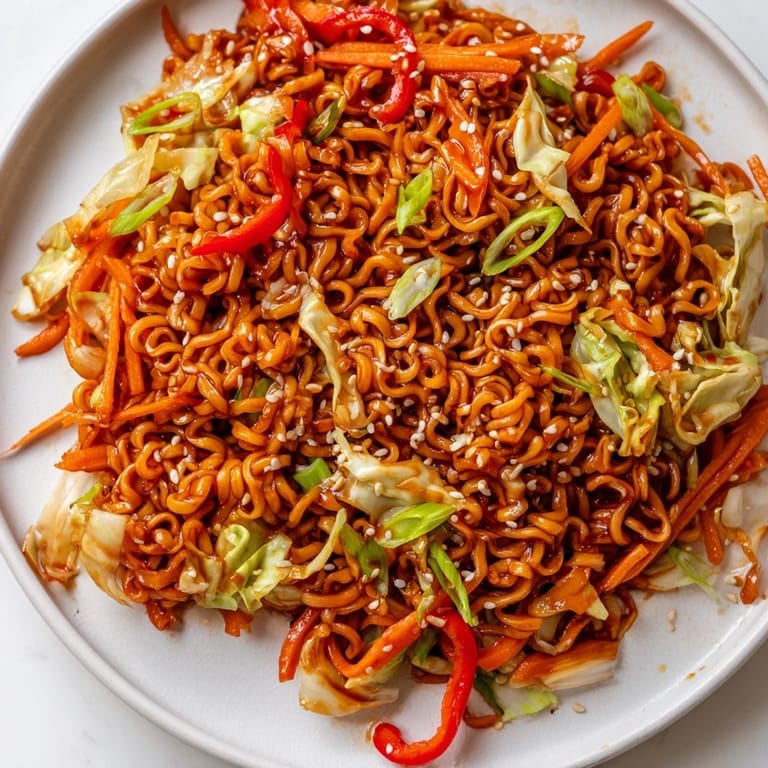
- Scatter green onions, sesame seeds, and red pepper flakes across the top, then give it one final toss. Serve immediately because cold ramen stir fry loses its magic within minutes.
 Save to Pinterest
 I've started keeping the ingredients for this stir fry constantly on hand because it's become my reliable comfort meal, the one I make when I want to feel capable but don't have mental energy for anything complicated. There's something grounding about a dish that tastes exciting but asks almost nothing of you.
Why Instant Ramen Deserves a Second Chance
I used to think instant ramen was beneath me, something you ate when you were broke or lazy or both. But then I realized that the noodles themselves are actually pretty good—they're springy and absorb sauce beautifully—and the only reason they taste sad is because of those flavor packets. Once you throw those out and build your own sauce, you've essentially got a blank canvas that's somehow better than starting from scratch.
Sauce Science and Why It Actually Works
This sauce works because you're layering umami (from soy and oyster sauce), heat (from sriracha), sweetness (from brown sugar), and brightness (from rice vinegar), which means no single flavor bullies the others. The sesame oil is there just to add silkiness and make everything feel more cohesive. I learned this by making the sauce with missing ingredients a hundred times and always getting something just slightly wrong until I understood that balance was the actual recipe.
Ways to Make This Your Own
The base recipe is so forgiving that you can reshape it based on what's in your kitchen or what you're craving that day. Some people swear by adding a soft-boiled egg, others crack a raw one into the pan at the end and let the residual heat cook it slightly. I've made this with crispy tofu, with shrimp, even with just double vegetables on nights when I was trying to eat lighter.
- An egg on top turns this from dinner into something that feels more luxurious, protein-wise and texture-wise.
- Tofu, chicken, or shrimp bulk it up without changing the essential character of the dish.
- For a vegan version, swap the oyster sauce for hoisin or more soy sauce, and you'll barely notice the difference.
 Save to Pinterest
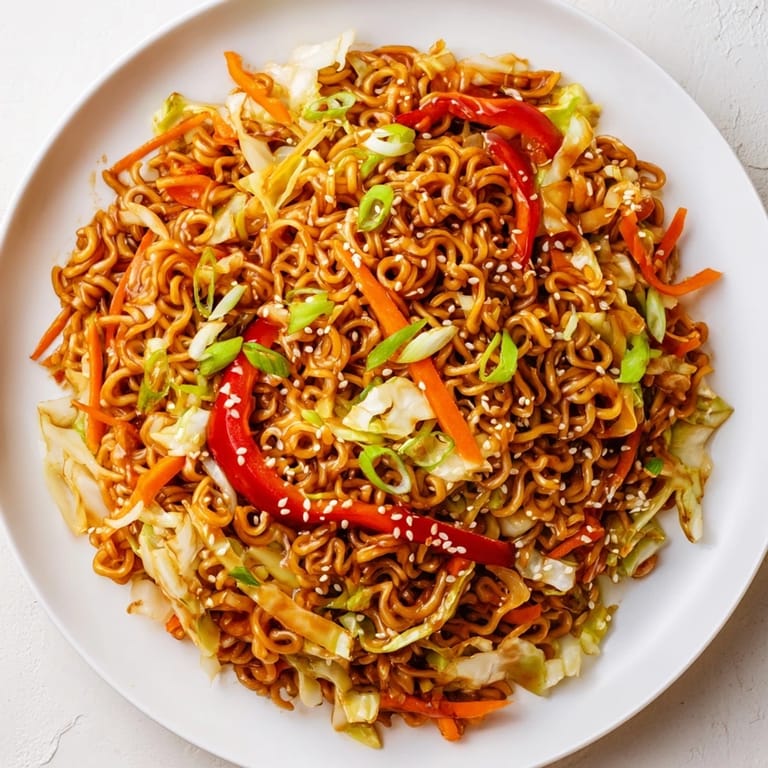
 This is the kind of recipe that feels like a small victory every single time you make it, which is exactly what weeknight cooking should feel like. It asks very little and gives back disproportionately in flavor and speed.
Common Recipe Questions
- → How can I make the stir fry vegan?
Swap the oyster sauce for a vegan alternative or hoisin sauce to keep the bold umami flavor without animal ingredients.
- → What noodles work best for this dish?
Instant ramen noodles are preferred for their springy texture, but fresh egg noodles or stir fry pasta can also be used.
- → How do I achieve a crisp texture in the vegetables?
Stir fry vegetables quickly over high heat just until tender-crisp to retain their snap and color.
- → Can I add protein to this dish?
Yes, tofu, cooked chicken, shrimp, or a fried or soft-boiled egg can be added for extra protein and texture.
- → What can I serve alongside this stir fry?
This dish pairs well with a crisp lager or unsweetened iced tea to balance the spicy, savory flavors.
- → How can I adjust the heat level?
Use less sriracha or omit red pepper flakes for milder heat, or add more to increase the spiciness.