 Save to Pinterest
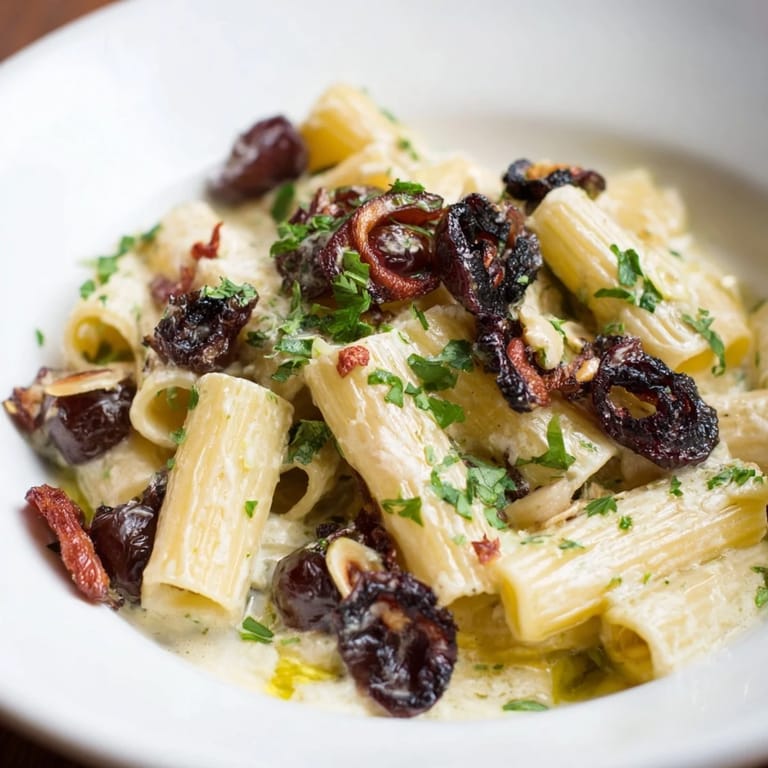
 The first time I tasted sweet and savory together in pasta, it was accidental—I'd grabbed what I thought were olives from the market, roasted them, and ended up with caramelized grapes instead. Rather than start over, I stirred them into creamy ricotta and discovered something magical: the grapes burst with jammy warmth against cool, pillowy cheese, their juice pooling into a sauce that felt both elegant and deeply comforting. This dish became my quiet proof that the best kitchen moments come from happy mistakes.
I made this for my sister on a cool September evening when she'd had one of those days where everything felt heavy, and somehow a bowl of this—the bright herbs, the warm-sweet grapes, the lemon cutting through everything—turned the whole evening around. She asked for seconds before finishing her first bite, and I watched her shoulders finally relax. That's when I knew this wasn't just a recipe; it was a small kindness in a bowl.
Ingredients
- Dried short pasta (penne, rigatoni, or fusilli): 350 g (12 oz) works best for cradling the creamy ricotta and grapes—shapes with ridges or tubes hold the sauce beautifully.
- Seedless red or black grapes: 300 g (about 2 cups) transforms under heat from bright fruit into something almost jammy and complex, so don't skip the roasting step.
- Fresh ricotta cheese: 250 g (1 cup) is the backbone here—it stays light and cloud-like when tossed with pasta water, unlike heavier cream.
- Lemon zest and juice: 1/2 tsp zest and 1 tbsp juice brighten everything and keep the dish from feeling heavy.
- Fresh basil and parsley: 2 tbsp basil plus 1 tbsp parsley add green, grassy notes that balance the sweetness of the grapes.
- Olive oil: 1 tbsp for roasting the grapes, plus 2 tbsp extra-virgin for finishing—the good oil tastes like it here.
- Toasted pine nuts (optional): 40 g (1/4 cup) add a gentle crunch and nutty depth that echoes the roasted grapes.
- Coarse salt and black pepper: Season generously throughout; the salt on roasting grapes draws out their juices and deepens their flavor.
Tired of Takeout? 🥡
Get 10 meals you can make faster than delivery arrives. Seriously.
One email. No spam. Unsubscribe anytime.
Instructions
- Heat the oven and prep:
- Preheat to 220°C (425°F) and line a baking tray with parchment paper—this prevents sticking and makes cleanup easy.
- Roast the grapes:
- Toss grapes with 1 tbsp olive oil, salt, and pepper on the prepared tray, then roast for 20–25 minutes, shaking halfway through. You'll know they're ready when they're soft, blistered, and the kitchen smells like caramelized fruit. Don't rush this step; it's where the magic happens.
- Cook the pasta:
- While grapes roast, bring a large pot of generously salted water to a boil and cook pasta until al dente. The water should taste like the sea—this flavors the pasta throughout. Reserve 120 ml (1/2 cup) of that starchy water before draining; you'll need it to create a silky sauce.
- Build the ricotta mixture:
- In a bowl, combine ricotta, lemon zest, lemon juice, basil, parsley, and 1/4 tsp salt, stirring until smooth and creamy. This should taste bright and herbaceous, like fresh spring captured in cheese.
- Bring it together:
- Return drained pasta to the pot, add the ricotta mixture, and toss gently, adding pasta water a splash at a time until the sauce coats every piece. The starch in the water transforms ricotta into a velvety sauce that clings to the pasta without heaviness.
- Fold in the grapes:
- Gently add roasted grapes and their precious juices, tossing lightly to combine. Drizzle with extra-virgin olive oil and taste for seasoning.
- Serve with flourish:
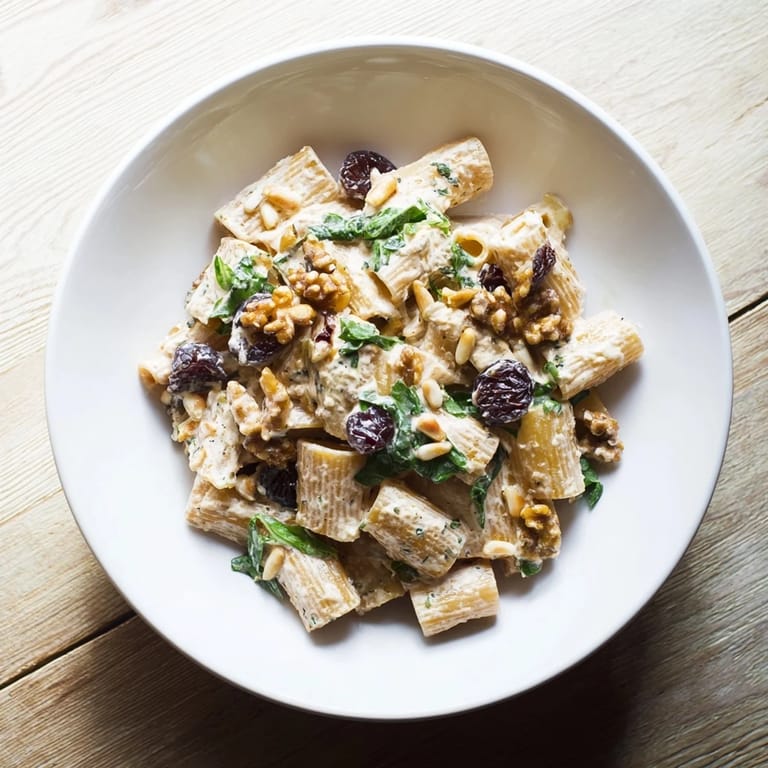
- Divide among plates and top with toasted pine nuts, fresh basil, cracked black pepper, and Parmesan if using. Serve immediately while everything is warm and the basil is still fragrant.
 Save to Pinterest
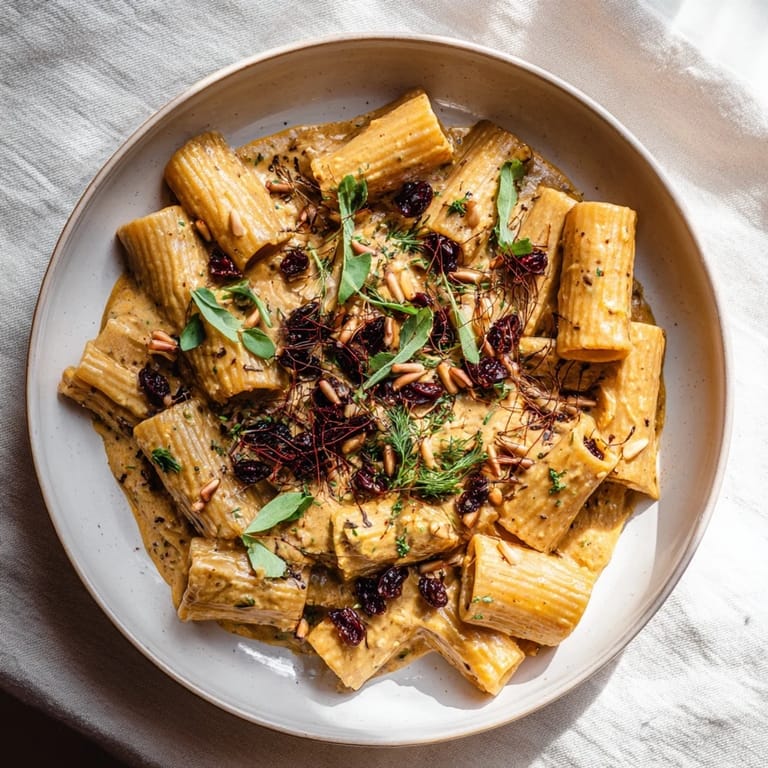
 There's a moment when the roasted grapes hit the hot pasta and their juices release into the ricotta—steam rises, the colors meld from pale to amber, and suddenly you understand why people write poetry about food. This dish does that every time, turning a simple combination of ingredients into something that feels almost ceremonial.
Why Roasting Changes Everything
Raw grapes taste like grapes. Roasted grapes taste like concentrated sweetness with a whisper of caramel and wine. The heat breaks down their cell walls, concentrating their sugars and creating depths of flavor that raw fruit never achieves. When you roast them with salt and oil, you're essentially making a quick jam right there on the tray, and that becomes the soul of this sauce. The slight blistering also intensifies their color, making the finished dish look like something from a restaurant kitchen.
The Ricotta Secret
Fresh ricotta is delicate and needs respect. If you stir it too aggressively with hot pasta, it can turn grainy and separate. The trick is to toss gently and let the starchy pasta water do the work—it gradually loosens the ricotta into a creamy coating rather than forcing the texture to break. Timing matters too; if your pasta is cooled when it reaches the ricotta, the cheese won't meld as smoothly. Every element should arrive hot and ready to embrace the others.
Variations and Personal Touches
This recipe is a canvas, and once you've made it once, you'll see where your own flavors belong. Some evenings I add a pinch of red pepper flakes for heat, other times I swap the parsley for fresh mint. I've made it with goat cheese when ricotta wasn't available, and the tanginess was wonderful—it cut through the grape sweetness in a different way. You can toast the pine nuts yourself in a dry pan if you prefer; they'll smell incredible and taste fresher than store-bought. The pasta shape matters less than you'd think, though tubes and ridges genuinely do hold the sauce better. If someone at your table has nut allergies, the dish shines without the pine nuts entirely—the grapes and ricotta are enough.
- Substitute goat cheese for ricotta if you want a tangier edge.
- Add a tiny pinch of nutmeg to the ricotta mixture for subtle warmth.
- Toss in a handful of arugula at the last moment if you want a peppery contrast.
 Save to Pinterest
 This pasta reminds me that some of the best dishes come from curiosity and a willingness to trust your instincts, even when the combination sounds strange at first. Make it once, and it'll find its way back to your table.
Common Recipe Questions
- → What type of grapes work best for roasting?
Seedless red or black grapes are ideal due to their natural sweetness and softness when roasted.
- → Can I use other cheeses instead of ricotta?
Yes, goat cheese makes a tangier alternative, offering a nice contrast to the sweet grapes.
- → Is toasting the pine nuts necessary?
Toasting pine nuts enhances their nuttiness and adds crunch, but it’s optional based on preference.
- → How does roasting grapes affect their flavor?
Roasting caramelizes the grapes, intensifying their sweetness and adding a slightly smoky note to the dish.
- → What pasta shapes work well with this dish?
Short pasta like penne, rigatoni, or fusilli hold the creamy sauce and roasted grapes nicely.