 Save to Pinterest
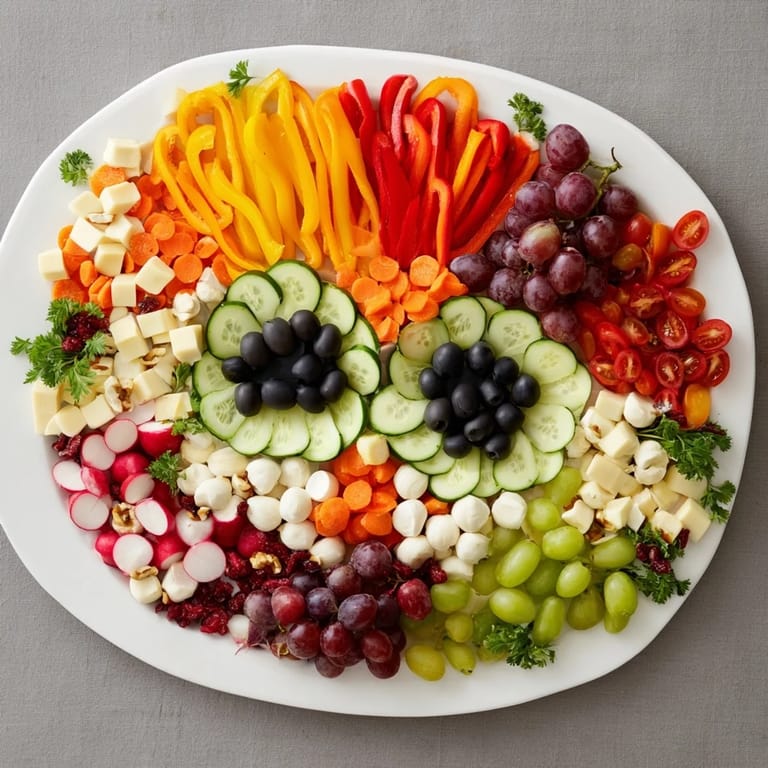
 I'll never forget the first time I created a masquerade mask platter—it was for a New Year's Eve party where my friend challenged me to make something that felt like edible art. I spent hours arranging vegetables and cheeses into this elaborate feathered design, and when guests arrived, they literally gasped. That moment taught me that the most memorable appetizers aren't always the most complicated; they're the ones that make people feel like you've created something magical just for them.
My sister still talks about the masquerade platter I made for her holiday dinner last year. She said watching her guests lean in to examine every detail, then carefully select pieces while taking photos, felt like watching art come to life. That's when I realized this isn't just an appetizer—it's a conversation starter that brings people together in the most delicious way.
Ingredients
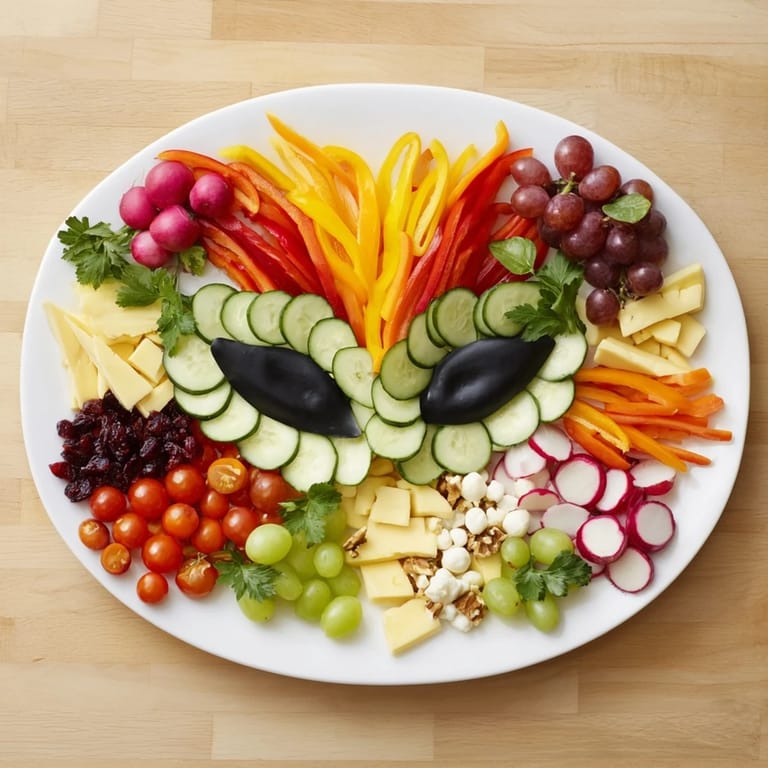
- 2 large green or black olives, pitted (or 2 small cubes of firm cheese like cheddar or gouda): These become your mask's eyes—the focal point of your entire design. Choose olives if you want a classic look, or use cheese cubes for a more colorful interpretation. I've found that larger olives make a bolder statement, but whatever you choose, they're what catches the eye first.
- 1 cup cucumber slices, thinly sliced: The backbone of your mask's feathered edges. Slice them thin so they fan beautifully without overwhelming the board. They're refreshing, hydrating, and create gorgeous pale green lines that frame everything else.
- 1 cup colorful bell pepper strips (red, yellow, orange): These are your show-offs, bringing jewel-like color to the design. The natural sweetness of bell peppers makes them irresistible, and I always make sure to include all three colors for maximum visual drama.
- 1/2 cup cherry tomatoes, halved: Ruby-red accents that add moisture and brightness. Halving them prevents them from rolling away and makes them easier to grab during the party.
- 1/2 cup red radish slices: These thin, peppery circles add a sophisticated crunch and beautiful pink tones. Don't skip them—they're what makes this platter feel intentional and refined.
- 1/2 cup baby carrots, halved lengthwise: Sweet, crunchy, and naturally orange, they fit perfectly into the mask's flowing design. Halving them lengthwise lets them lie flat and create longer lines across the board.
- 1/2 cup seedless grapes (red or green): These little jewels nestle into gaps and add unexpected sweetness. I alternate red and green for checkerboard moments that feel playful.
- 1 cup assorted cheeses, cubed (cheddar, gouda, Swiss): The protein heart of your platter. Cube them generously—chunky pieces look more appetizing than tiny cubes. Each cheese brings its own personality: cheddar is bold, gouda is creamy, Swiss is elegant.
- 1/2 cup mini mozzarella balls: These tender, milky pockets feel luxurious and melt on your tongue. They're also visually distinct, creating little white dots that break up the vegetable colors.
- 1/2 cup nuts (walnuts, almonds, or pistachios): Toasted nuts add earthiness and satisfying crunch. I lean toward pistachios for their color, but honestly, use what makes you happy. Nuts fill gaps and make the platter feel abundant.
- 1/4 cup dried fruits (apricots, cranberries, or figs): These chewy pockets of concentrated sweetness surprise and delight. They bridge the gap between savory cheese and fresh vegetables in the most elegant way.
- 1/2 cup crackers or breadsticks (optional): For those who want a vessel for their selections. I often skip these to keep the platter entirely vegetable-forward, but they do add texture variation if you include them.
- Fresh herbs (parsley, basil, dill): The final flourish that says you cared. Scatter these generously—they're not just garnish, they're flavor. Basil especially brings a Mediterranean whisper to the whole arrangement.
- Edible flowers (optional): Pansies, nasturtiums, or violas transform this from a party platter into a work of art. Use them if you can; skip them if you can't.
Tired of Takeout? 🥡
Get 10 meals you can make faster than delivery arrives. Seriously.
One email. No spam. Unsubscribe anytime.
Instructions
- Choose your canvas:
- Start with a large, oval or rectangular serving board—think of it as your artist's canvas. I prefer white or natural wood to let the colors of your ingredients shine. If you don't have a fancy board, a large cutting board works beautifully. This is your stage; make sure it's clean and ready.
- Create the eyes:
- Place your two olives or cheese cubes near the center top of the board, spaced apart horizontally like the eye openings of an actual mask. Step back and look at them—they should feel intentional and balanced. This small decision anchors everything else, so take a moment to get it right.
- Build the feathered edges:
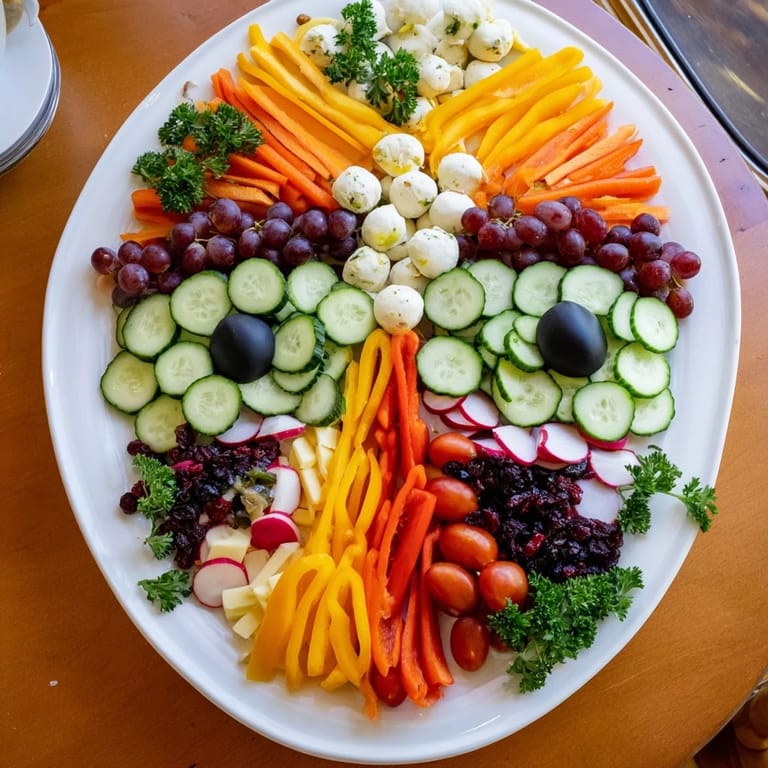
- Starting above and around those eyes, begin fanning out your vegetable slices and bell pepper strips in wide, symmetrical arcs. This is where patience pays off. Arrange them like feathers radiating outward—slightly overlapping, creating movement and flow. Imagine the graceful movement of an actual masquerade mask. Don't rush this part; it's what makes people stop and stare.
- Weave in cheese and mozzarella:
- Tuck cheese cubes and mini mozzarella balls among the vegetables and fruits, creating pockets of richness throughout the design. They should surprise you as you eat, little treasures hidden among the fresh vegetables. These add visual interest and keep people engaged with the platter.
- Fill the gaps:
- Scatter nuts and dried fruits where there are empty spaces. These aren't just fillers—they're flavor bridges. A handful of pistachios next to cherry tomatoes, a few dried apricots nestled among cucumber slices. Every gap is an opportunity to add texture and taste.
- Add structural elements:
- If you're using crackers or breadsticks, arrange them at the lower edge or sides of the board, creating a border that frames your mask. This gives people something to build on if they want it, but doesn't distract from the main attraction.
- Crown it with greenery:
- Garnish with fresh herbs scattered across the entire platter, and if you have them, place edible flowers strategically. This is the moment where it stops being food and becomes art. Fresh basil leaves, delicate dill fronds, cheerful pansies—these final touches make someone say wow.
- Serve with intention:
- Bring it directly from your hands to the table. There's no keeping this warm or chilled for hours—serve it immediately while everything is at its freshest, crispest, most vibrant best.
 Save to Pinterest
 There was this magical moment at a New Year's party when someone brought the platter to the dessert table, and this little kid gasped and said, "It's a real mask!" Her mom laughed and let her pick her favorite vegetables first. That's when I understood—this platter isn't about impressing adults with your technique. It's about creating a moment where everyone, no matter their age, feels the joy of beautiful food and shared celebration.
The Art of Arrangement
Creating a masquerade mask platter taught me that food arrangement is really about understanding flow and balance. The eyes anchor everything, the radiating vegetables create movement, and the gaps are where personality lives. I've learned to trust my instincts rather than following rigid patterns—the moment you stop thinking and start arranging by feel, it suddenly looks professional. Your hands know what balance looks like.
Adapting for Your Crowd
The beauty of this platter is its flexibility. For vegans, skip the cheese and use marinated tofu cubes or roasted chickpeas instead. For meat lovers, layer in cooked shrimp, smoked salmon, or cured meats along the sides. I've even made versions using only seasonal vegetables—spring asparagus and peas, summer berries and heirloom tomatoes, fall roasted beets and Brussels sprouts. The mask shape works year-round; only the colors change. Serve dips on the side—hummus, herbed cream cheese, or ranch give people options without cluttering your masterpiece.
Making It Memorable
What transforms this from a simple vegetable platter into something truly special is the story behind it. Tell your guests why you arranged it like a mask, how long it took, what inspired you. Food tastes better when you know the person who made it cared enough to create something beautiful just for the occasion. That personal touch—that moment of intentionality—is what lingers in people's memories long after the platter is empty.
- Prep your ingredients earlier in the day if it helps calm your nerves; just keep them separate and assembled until serving time
- Have fun with the arrangement process—put on music, pour yourself something to celebrate, and treat it like the creative act it is
- Take a photo before people start eating; you'll love having captured that moment of untouched perfection
 Save to Pinterest
 Every time I make this platter, I'm reminded that the most elegant appetizers are often the simplest ones—just beautiful ingredients arranged with care and served with joy. It's what makes gatherings feel special without keeping you stressed in the kitchen.
Common Recipe Questions
- → What ingredients create the eye openings on the platter?
Two large green or black olives, pitted, or small cheese cubes such as cheddar or gouda form the eye openings.
- → Can this platter accommodate dietary restrictions?
Yes, it can be made vegetarian by default and gluten-free by omitting or replacing crackers. Vegan options include substituting cheese with marinated tofu cubes.
- → How should the vegetables and fruits be arranged?
Arrange slices and strips in symmetrical arcs around the eye openings to resemble the ornate edges of a masquerade mask.
- → Are any cooking steps required?
No cooking is necessary; this platter is composed of fresh, raw ingredients and ready-to-eat cheeses and nuts.
- → What garnishes enhance the presentation?
Fresh herbs like parsley, basil, or dill, and optional edible flowers add a festive touch and color contrast.