 Save to Pinterest
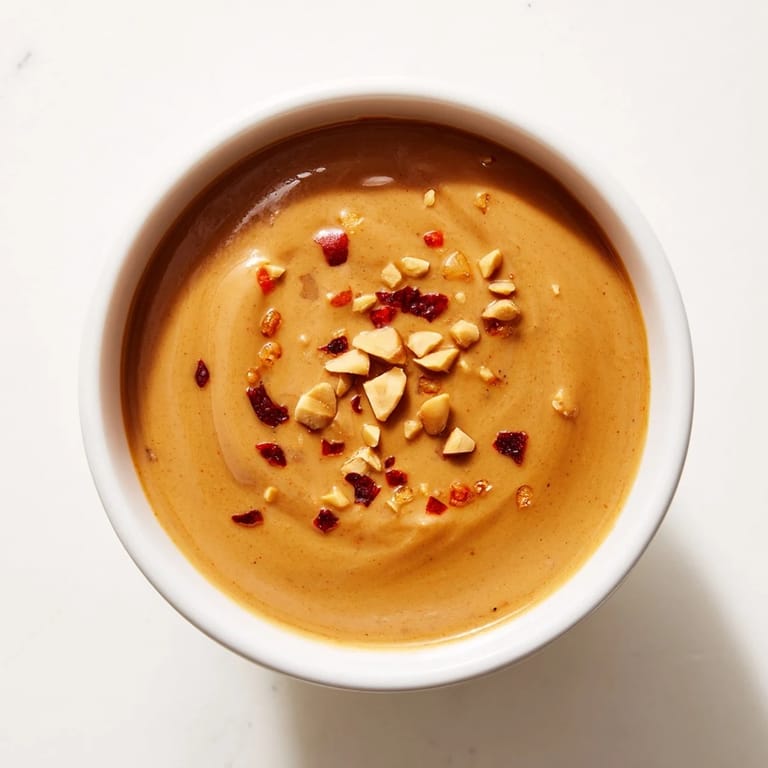
 I was crouched in front of a tiny street cart in Jakarta, watching an older woman stir a pot of satay sauce with a wooden spoon worn smooth by decades of use. She didn't measure anything—just tipped the coconut milk, scraped peanut paste from a jar, and squeezed half a lime with her bare hand. The smell hit me before the taste did: warm peanut, toasted spices, and that bright citrus cut that made my mouth water. When I got home, I recreated it in my own kitchen, and it's been my go-to ever since.
The first time I made this for a backyard dinner, I set out a bowl thinking it would last through appetizers. It was gone before the skewers even hit the table—people were using cucumber slices, then carrot sticks, then just spoons. My friend Lina, who grew up in Bali, tasted it and said it reminded her of her grandmother's version, which is still one of the best compliments I've ever gotten in the kitchen.
Ingredients
- Creamy peanut butter: The backbone of the sauce—unsweetened and unsalted lets you control the flavor, and the creamier it is, the silkier your sauce will be.
- Coconut milk: Full-fat is non-negotiable here; it gives the sauce body and a subtle sweetness that lite versions just can't match.
- Soy sauce: Adds that deep, salty umami that makes everything taste more alive—swap for tamari if you need it gluten-free.
- Fresh lime juice: Bottled juice won't give you the same bright, zesty punch; squeeze it fresh and taste the difference.
- Brown sugar: Rounds out the heat and acidity with a gentle molasses sweetness; palm sugar works beautifully if you can find it.
- Garlic clove: Minced fine so it melts into the sauce and fills your kitchen with that unmistakable warmth.
- Ground coriander and cumin: These two spices bring an earthy, toasted fragrance that makes the sauce smell like a street market.
- Chili flakes: Start small and build up—you can always add more heat, but you can't take it back.
- Fish sauce (optional): Just a teaspoon deepens the flavor in a way that's hard to describe but easy to love.
- Water: Keeps things fluid if your sauce gets too thick; add it a tablespoon at a time.
Tired of Takeout? 🥡
Get 10 meals you can make faster than delivery arrives. Seriously.
One email. No spam. Unsubscribe anytime.
Instructions
- Melt the base:
- Set your saucepan over medium heat and whisk together the peanut butter and coconut milk until they become one smooth, glossy pool. It'll look a little separated at first, but keep whisking—it'll come together.
- Stir in the soul:
- Add the soy sauce, lime juice, brown sugar, garlic, coriander, cumin, chili flakes, and salt. Stir until every spice is dissolved and the sauce smells like a kitchen you want to live in.
- Simmer gently:
- Let the mixture bubble softly, stirring often so nothing sticks to the bottom. After 3 to 5 minutes, it'll thicken and turn glossy, almost like liquid velvet.
- Taste and adjust:
- This is where you make it yours—add more lime if you want brightness, more sugar if you like it sweeter, or more chili if you're feeling brave.
- Thin if needed:
- If the sauce feels too thick, whisk in a tablespoon or two of water until it drizzles off a spoon the way you like.
- Finish and cool:
- Pull it off the heat and stir in the fish sauce if you're using it. Let it cool just enough so you don't burn your tongue when you inevitably taste it again.
 Save to Pinterest
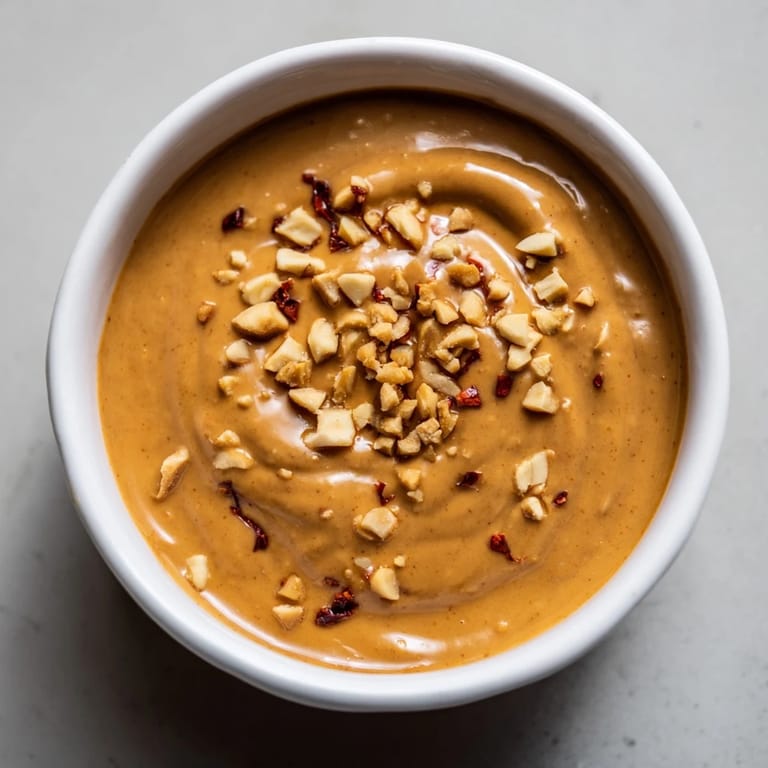
 One night, I made this sauce and forgot about it on the counter while we ate dinner outside. When we came back in, the whole house smelled like a satay stall, warm and inviting and alive. My daughter dipped a piece of bread into the leftover bowl and said, This tastes like vacation. She wasn't wrong.
How to Store and Reheat
The sauce thickens as it cools, so don't panic when you open the fridge the next day and find it solid. Just scoop what you need into a small pot, add a splash of water or coconut milk, and warm it gently over low heat, stirring until it loosens up again. It keeps beautifully for up to five days, and somehow tastes even better after the flavors have had time to sit and talk to each other.
What to Serve It With
This sauce is a workhorse. I've drizzled it over chicken skewers, spooned it onto grilled tofu, tossed it with cold noodles, and even whisked it thin to use as a salad dressing. It's equally at home on a fancy platter or straight out of the bowl with a bag of pretzels. If it's edible, this sauce probably belongs on it.
Ways to Make It Your Own
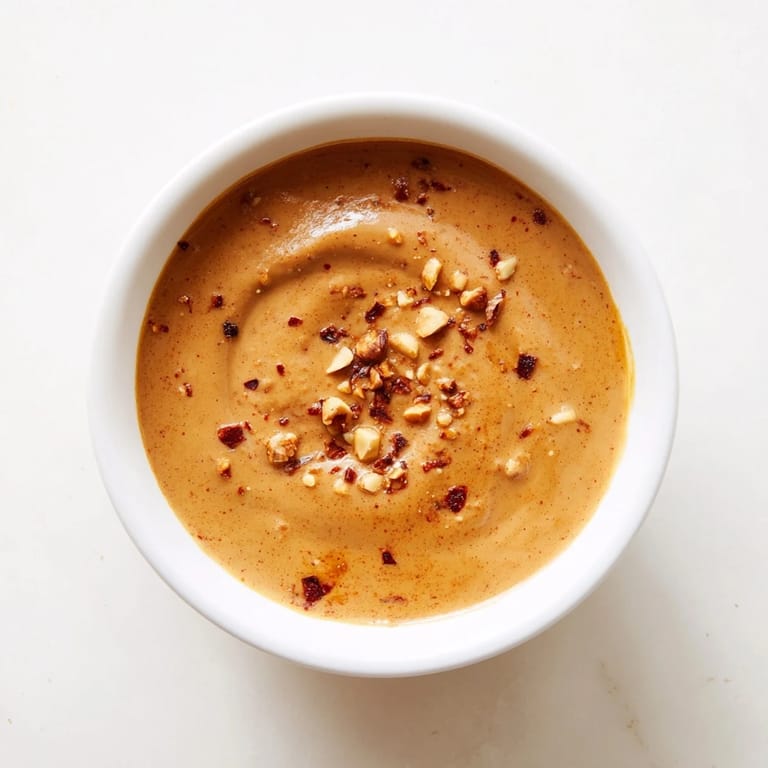
If you like texture, stir in a couple tablespoons of crushed roasted peanuts right before serving—it adds a little crunch that's really satisfying. You can also swap the brown sugar for maple syrup if that's what you have, or add a pinch of ginger for extra warmth. I've made this sauce a hundred times and it's never quite the same twice, which is exactly how I like it.
- Add a teaspoon of sriracha or sambal oelek if you want more complexity in the heat.
- Use almond butter instead of peanut butter for a slightly sweeter, more delicate flavor.
- Stir in a handful of fresh cilantro or Thai basil right before serving for an herbal lift.
 Save to Pinterest
 This sauce has rescued more last-minute dinners than I can count, and it's never let me down. I hope it becomes one of those recipes you keep coming back to, the kind you don't need to measure anymore because your hands just know.
Common Recipe Questions
- → What key flavors define this sauce?
Peanut butter and coconut milk create a creamy base, complemented by lime juice, garlic, coriander, cumin, and a hint of chili for warmth.
- → Can I make this sauce gluten-free?
Yes, by using gluten-free soy sauce alternatives like tamari or coconut aminos, the sauce remains gluten-free.
- → How can I adjust the sauce consistency?
Add 1-2 tablespoons of water to thin the sauce to your preferred texture without losing flavor.
- → Is this sauce suitable for vegetarians?
The base sauce is vegetarian; omit fish sauce for a fully vegetarian version.
- → How should I store leftover sauce?
Refrigerate in an airtight container for up to 5 days and gently rewarm before serving.