 Save to Pinterest
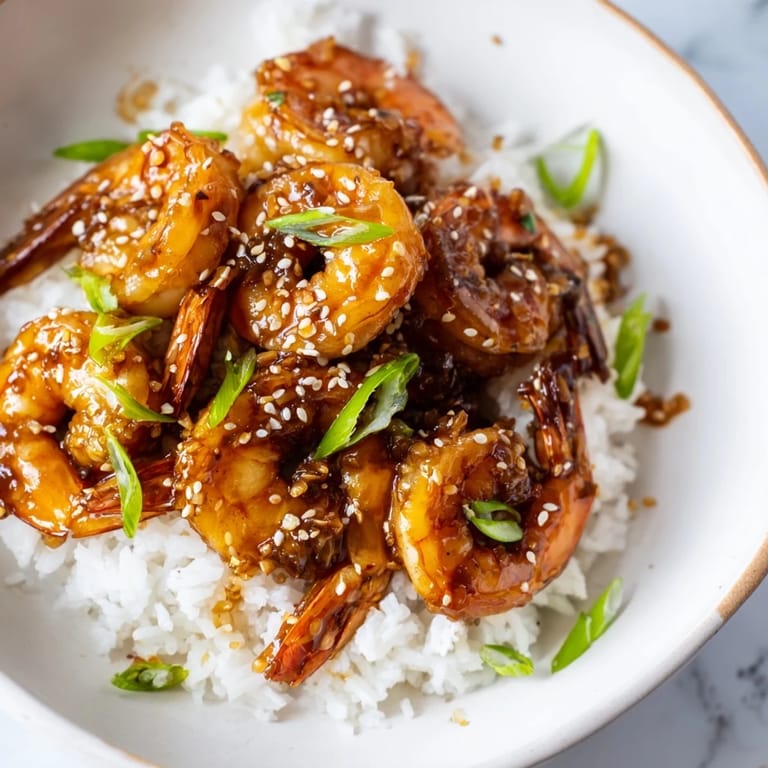
 There's something about the sound of shrimp hitting a hot skillet that signals dinner is about to come together in minutes. I discovered this honey garlic combination on a weeknight when I had exactly ten minutes before guests arrived, and what emerged from that pan tasted like I'd been cooking all afternoon. The sweet glaze clings to each shrimp while the garlic fills your kitchen with this warm, inviting aroma that makes everyone pause and ask what smells so good. It became my go-to move whenever I needed something that looked impressive but felt effortless.
I made this for my partner on a rainy Tuesday when he came home exhausted, and watching him take that first bite and actually pause mid-chew told me everything. He went back for seconds before I'd even sat down, and suddenly this quick skillet dinner felt like the most thoughtful thing I could have made. That's when I realized the beauty of shrimp isn't just speed—it's how it transforms the simplest ingredients into something that feels like care on a plate.
Ingredients
- Large shrimp, peeled and deveined (1 lb): Look for shrimp that smell like the ocean, not fishy, and pat them completely dry before cooking—wet shrimp won't get that golden kiss in the pan.
- Honey (1/3 cup): This is your sweetness backbone, but don't use anything overly floral; a simple clover or wildflower honey lets the garlic shine.
- Low-sodium soy sauce (1/4 cup): The sodium matters here because it concentrates as the sauce bubbles down, so taste before adding extra salt.
- Garlic cloves, minced (4): Fresh garlic is non-negotiable; use a microplane or the smallest holes on your box grater so it melts into the sauce.
- Fresh ginger, grated (1 tbsp): Ginger adds a subtle warmth that prevents the dish from tasting too one-note sweet; this is worth buying fresh.
- Rice vinegar (1 tbsp, optional): A small splash cuts through the richness and brightens everything if your palate finds the honey too dominant.
- Crushed red pepper flakes (1/2 tsp, optional): Add these if you want heat that builds slowly rather than hits hard; you can always sprinkle more at the table.
- Vegetable or sesame oil (1 tbsp): Sesame oil adds a toasted note that feels more intentional, but vegetable oil lets the sauce flavors lead.
- Green onions, thinly sliced (2 tbsp): These add freshness and a slight onion bite that wakes up your palate after the sweet-savory sauce.
- Toasted sesame seeds (1 tsp, optional): They bring texture and a subtle nuttiness that feels finished and intentional.
- Steamed rice or cooked noodles: Whatever you choose becomes your canvas for soaking up every drop of sauce.
Tired of Takeout? 🥡
Get 10 meals you can make faster than delivery arrives. Seriously.
One email. No spam. Unsubscribe anytime.
Instructions
- Make your sauce first:
- Whisk honey, soy sauce, minced garlic, grated ginger, rice vinegar, and red pepper flakes in a medium bowl until the honey dissolves completely. This step takes two minutes but it matters because the garlic needs to start melting into the sauce rather than cooking separately in the pan.
- Dry your shrimp thoroughly:
- Pat them with paper towels until they feel almost tacky; moisture is the enemy of a good sear. Season generously with kosher salt and black pepper—this is your only chance to season them before the sauce coats everything.
- Get your skillet screaming hot:
- Heat oil over medium-high heat until it shimmers and moves like water across the pan. You'll know it's ready when a single shrimp sizzles immediately on contact.
- Cook shrimp in a single layer:
- Lay them curved-side down and leave them completely alone for one to two minutes until the underside turns opaque pink. Resist the urge to move them around; they're building flavor on that side.
- Flip and finish the second side:
- Turn each shrimp and cook for another minute until they're fully pink but still have that tender bite. If your shrimp are crowded, work in batches because overcrowding drops the pan temperature and you'll steam instead of sear.
- Pour in the sauce and let it bubble:
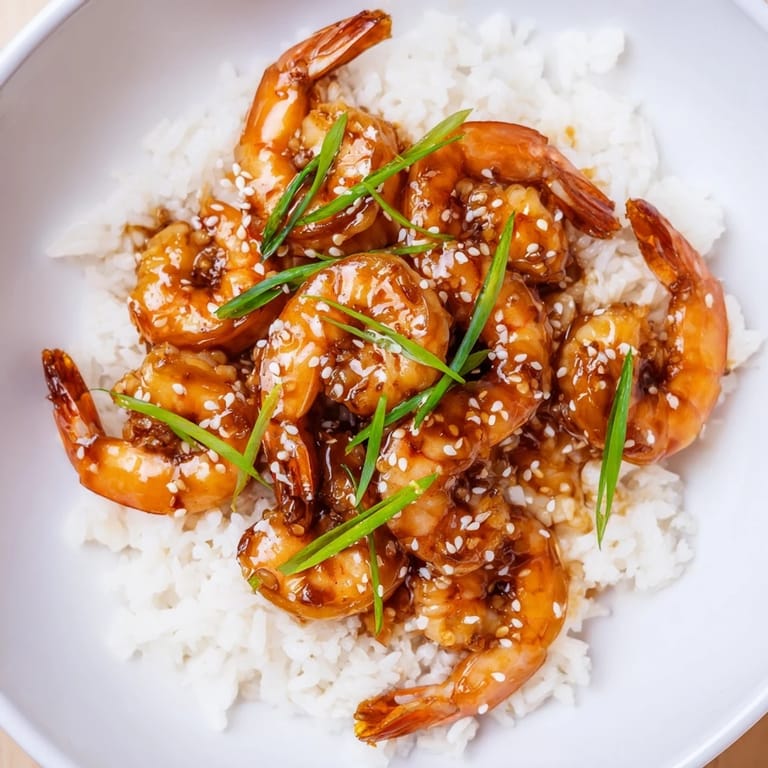
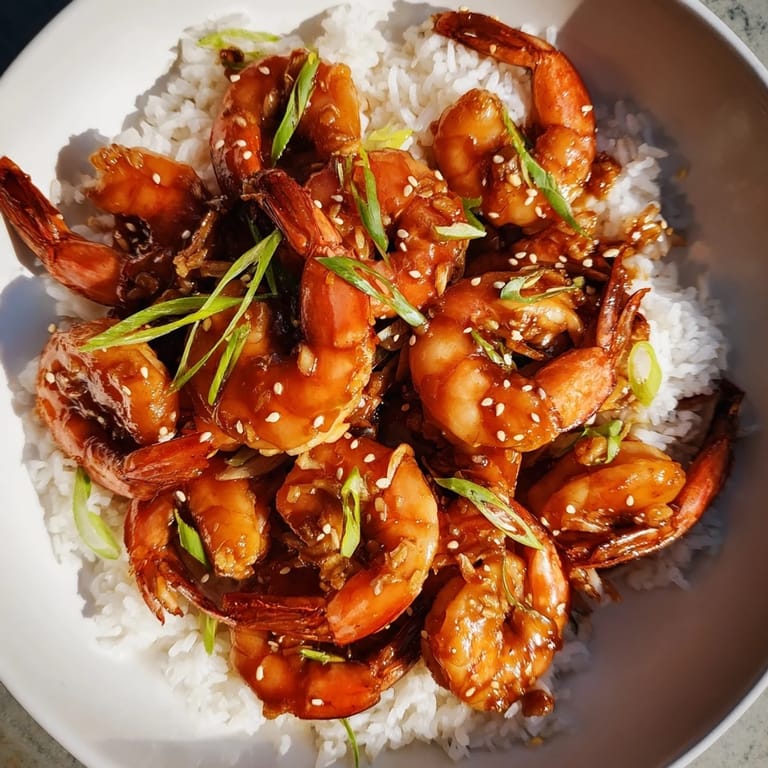
- Add your sauce to the hot shrimp and stir gently for two to three minutes while the mixture bubbles and thickens into a glaze that coats each piece. The sauce will go from thin and glossy to lightly sticky, which means the honey is caramelizing slightly and everything is coming together.
- Remove from heat and garnish:
- Scatter green onions and sesame seeds over everything while it's still hot. They soften slightly in the residual heat while staying bright and fresh.
 Save to Pinterest
 There was a moment when my sister tasted this and asked me to write down the recipe, not the ingredients but the proportions and timing, because she said the texture of that sauce was what she'd been chasing in restaurant versions her whole life. That conversation made me realize this dish works because nothing in it is trying too hard—every element knows its job and steps aside for the others. When food does that, it stops being dinner and becomes something you think about the next day.
Why This Works as a Weeknight Dinner
The genius of this recipe lives in its constraints. You're working with four components that cook simultaneously, so there's no waiting for water to boil or dough to rest. The shrimp themselves cook so quickly that you can't leave the kitchen and overthink things, which paradoxically makes the whole experience less stressful. Once the sauce goes in, your involvement shifts to watching and listening—the soft bubble and pop of the glaze thickening is actually your timer telling you everything's ready.
Building Flavor Layers
What makes this sauce memorable isn't complexity; it's balance. The honey is sweet but not dessert-like because the soy sauce brings salinity and depth, while the ginger adds a warm spice that moves through your mouth after you swallow. The garlic doesn't announce itself loudly but instead sits underneath everything like a hum. If you skip the rice vinegar, the dish still works but feels rounder, more complete, when that small acid note is there cutting through the richness just enough to make you want another bite.
Serving and Customization
Rice and noodles are the obvious choices, but this sauce is generous enough to handle crispy bread or even roasted vegetables underneath. I've poured it over everything from jasmine rice to cold soba noodles left over from lunch, and it transforms whatever's beneath it. The sauce is also flexible in temperature—serve it hot the moment it's done, or let it cool slightly if you prefer, and it still tastes intentional either way.
- Add sautéed snap peas or bell peppers for texture and color without changing the core flavor.
- Substitute chicken thighs for shrimp if you want something that braises gently in the sauce rather than searing quickly.
- Pair with a crisp white wine like Sauvignon Blanc if you want something that echoes the sauce's brightness.
 Save to Pinterest
 This dish taught me that some of the most satisfying meals come together not from complexity but from knowing your ingredients well enough to let them speak for themselves. It's become the recipe I make when I want to feel like I'm cooking with intention but without stress, which honestly is most weeknights.
Common Recipe Questions
- → What type of shrimp works best?
Use large peeled and deveined shrimp, tails on or off, for the best texture and flavor.
- → Can I adjust the spice level?
Yes, crushed red pepper flakes can be added or omitted to control the heat in the glaze.
- → What alternatives can I use for shrimp?
Chicken or firm tofu can replace shrimp for variation while keeping the glaze flavors intact.
- → Which oils are suitable for cooking?
Vegetable or toasted sesame oil work well to enhance the dish’s flavor and help cook the shrimp evenly.
- → How should the sauce be prepared?
Whisk honey, soy sauce, garlic, ginger, rice vinegar, and optional red pepper flakes before adding to the skillet for a balanced glaze.